





कभी आपने ChatGPT या किसी दूसरे AI से सवाल पूछा और जवाब देखकर लगा—“मैंने तो कुछ और पूछा था, AI कुछ और ही बता रहा है”?
अक्सर problem AI की capability से कम और हमारे instruction देने के तरीके से ज़्यादा जुड़ी होती है।
उदाहरण के लिए:
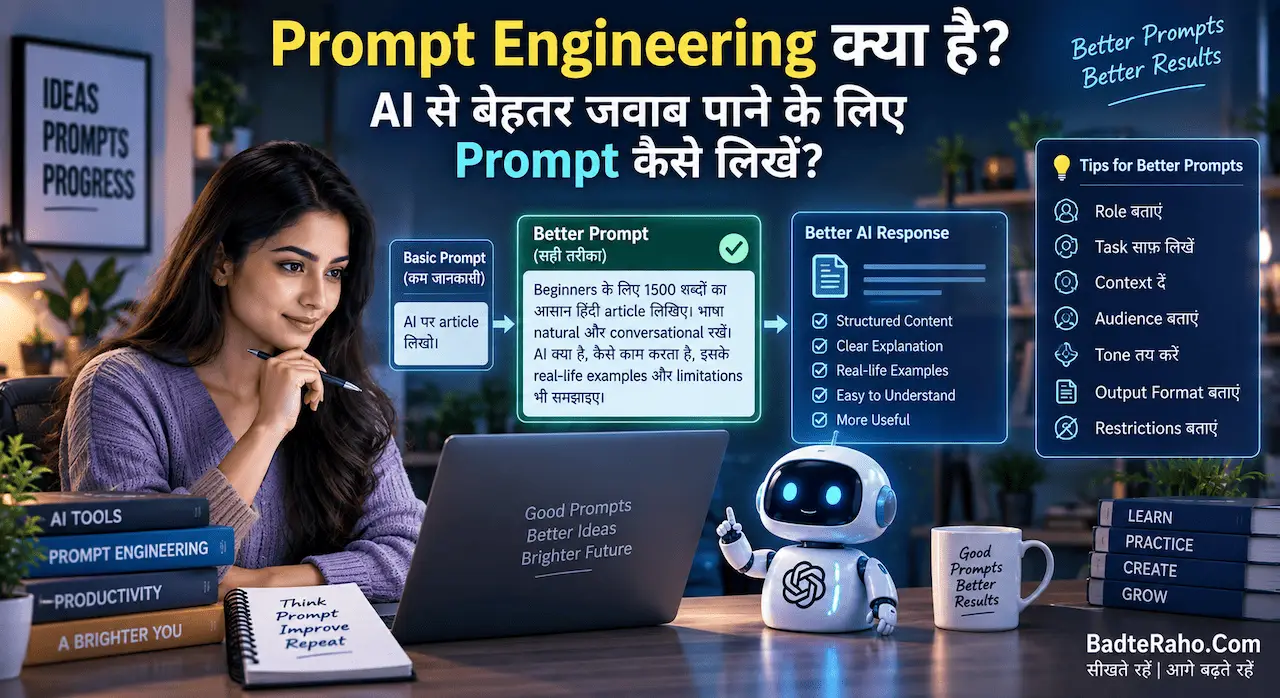
मेरे business के लिए marketing ideas बताओ।
यह prompt गलत नहीं है, लेकिन AI को यह पता ही नहीं है कि आपका business क्या है, customers कौन हैं, budget कितना है, आप online marketing चाहते हैं या local marketing, और आपका actual goal क्या है।
वहीं अगर आप वही बात context, goal और expected output के साथ बताते हैं, तो जवाब काफी practical हो सकता है।
यही skill broadly Prompt Engineering कहलाती है।
इसका मतलब कोई complicated programming करना नहीं है। इसका simple मतलब है—AI को सही context, clear instructions और useful constraints देकर ऐसा prompt लिखना जिससे आपको ज़्यादा relevant और usable output मिले।
अगर आप पहले यह समझना चाहते हैं कि AI मूल रूप से कैसे काम करता है, तो AI क्या है और कैसे काम करता है? वाला guide भी useful रहेगा।
इस लेख में आप क्या सीखेंगे?
- Prompt Engineering का मतलब
- अच्छे Prompt की structure
- Context कैसे देना है
- Instructions कैसे लिखें
- Constraints कब लगाएँ
- Output format कैसे तय करें
- Prompts को improve कैसे करें
- Practical Prompt examples
Prompt Engineering क्या है?
Prompt वह instruction, question, information या request होती है जो हम AI को देते हैं।
आप लिख सकते हैं:
भारत के बारे में बताओ।
या:
भारत में छोटे शहर के एक beginner entrepreneur के लिए कम investment वाले 10 service-based business ideas बताओ। हर idea के साथ target customer, basic skills, शुरुआती खर्च की broad category और पहला customer पाने का practical तरीका बताओ। Unrealistic earning claims न करें।
दोनों prompts एक ही AI को दिए जा सकते हैं, लेकिन दूसरे prompt में AI के पास काम को समझने के लिए बहुत ज़्यादा useful information है।
Prompt Engineering इसी instruction को सोच-समझकर design और refine करने की process है।
इसमें आम तौर पर आप तय करते हैं:
आपको क्या चाहिए → किस context में चाहिए → किन सीमाओं के साथ चाहिए → किस format में चाहिए → output कितना detailed होना चाहिए
यह सिर्फ ChatGPT तक सीमित नहीं है। यही thinking text generation, image generation, coding assistance, research, data analysis, study help और कई दूसरे Generative AI use cases में काम आती है।
अगर Generative AI का basic concept unclear है, तो Generative AI क्या है? पहले पढ़ सकते हैं।
क्या अच्छा Prompt लिखने के लिए Technical होना ज़रूरी है?
नहीं।
बहुत से beginners “Prompt Engineering” नाम सुनकर मान लेते हैं कि इसमें coding, programming या computer science की knowledge चाहिए।
Daily AI use के लिए ऐसा नहीं है।
एक अच्छा prompt लिखने के लिए आपको मुख्य रूप से तीन चीजें समझनी हैं:
- आप वास्तव में क्या चाहते हैं?
- AI को कौन-सी information चाहिए?
- आपको final answer किस form में चाहिए?
असल में यह skill clear communication के काफी करीब है।
मान लीजिए आप किसी इंसान से कहते हैं:
“मेरे लिए कुछ अच्छा बना दो।”
वह naturally पूछेगा—क्या बनाना है? किसके लिए? किस style में? कितना बड़ा? कब चाहिए?
AI के साथ भी यही logic काम करता है।
आपका instruction जितना clear होगा, useful answer मिलने की संभावना उतनी बढ़ेगी।
लेकिन इसका मतलब यह नहीं कि prompt जितना लंबा होगा उतना अच्छा होगा। Unnecessary information भी confusion पैदा कर सकती है।
Goal है:
Long Prompt नहीं, Clear Prompt.
अच्छे AI Prompt के 6 सबसे ज़रूरी हिस्से
हर prompt में ये सभी elements होना compulsory नहीं है। Simple task के लिए एक line भी पर्याप्त हो सकती है।
लेकिन complex काम में इन elements को जोड़ने से output काफी improve हो सकता है।
1. सबसे पहले अपना Goal clear करें
AI को साफ बताइए कि आप उससे क्या करना चाहते हैं।
Weak:
Instagram के बारे में बताओ।
Better:
मेरी home bakery के Instagram page के लिए 15 content ideas तैयार करें।
यहाँ second prompt से task clear हो गया।
Goal बताने के लिए action words useful होते हैं:
Explain, Compare, Summarize, Rewrite, Analyze, Generate, Plan, Suggest, Review, Extract, Create
Hinglish में भी बिल्कुल naturally लिख सकते हैं:
इस paragraph को beginner-friendly Hindi में आसान बनाएं।
या:
इन दो business ideas की practical comparison करें।
AI से बात करने के लिए कोई “special computer language” सीखने की ज़रूरत नहीं है।
2. Context दें—लेकिन सिर्फ relevant
Context AI को यह समझाता है कि जवाब किस situation के लिए चाहिए।
उदाहरण:
मैं Jaipur में home-based bakery शुरू कर रहा/रही हूँ। मेरा target mainly birthday cakes और छोटे customised orders हैं। अभी मेरे पास physical shop नहीं है। Instagram और WhatsApp से local customers तक पहुँचना चाहता/चाहती हूँ। अगले 30 दिनों के लिए practical marketing plan बनाएं।
अब AI generic bakery advice देने के बजाय आपकी situation के आसपास जवाब बना सकता है।
Useful context में शामिल हो सकता है:
- आप कौन हैं?
- आपकी current situation क्या है?
- target audience कौन है?
- आपका goal क्या है?
- आपको किस level का answer चाहिए?
- कौन-सी limitation है?
- आपके पास पहले से क्या available है?
लेकिन unrelated personal information देने की ज़रूरत नहीं है।
AI को वही information दें जो task पूरा करने के लिए genuinely useful हो।
Sensitive personal, financial, confidential या private information share करने से भी बचें जहाँ उसकी ज़रूरत न हो।
3. AI को Input Material दें
कई बार best prompt वह होता है जिसमें guessing कम से कम करनी पड़े।
मान लीजिए आपको resume improve करवाना है।
सिर्फ यह लिखना:
मेरा resume improve करो।
बहुत limited instruction है।
बेहतर तरीका:
नीचे मेरा current resume text और जिस job के लिए apply कर रहा हूँ उसकी job description दी गई है। दोनों को compare करके बताएं कि resume में कौन-सी relevant skills और achievements clearer होनी चाहिए। कोई experience या qualification खुद से invent न करें।
फिर नीचे actual material दें।
इसी तरह आप AI को दे सकते हैं:
- article draft
- product details
- meeting notes
- syllabus
- customer feedback
- spreadsheet data
- job description
- report
- research notes
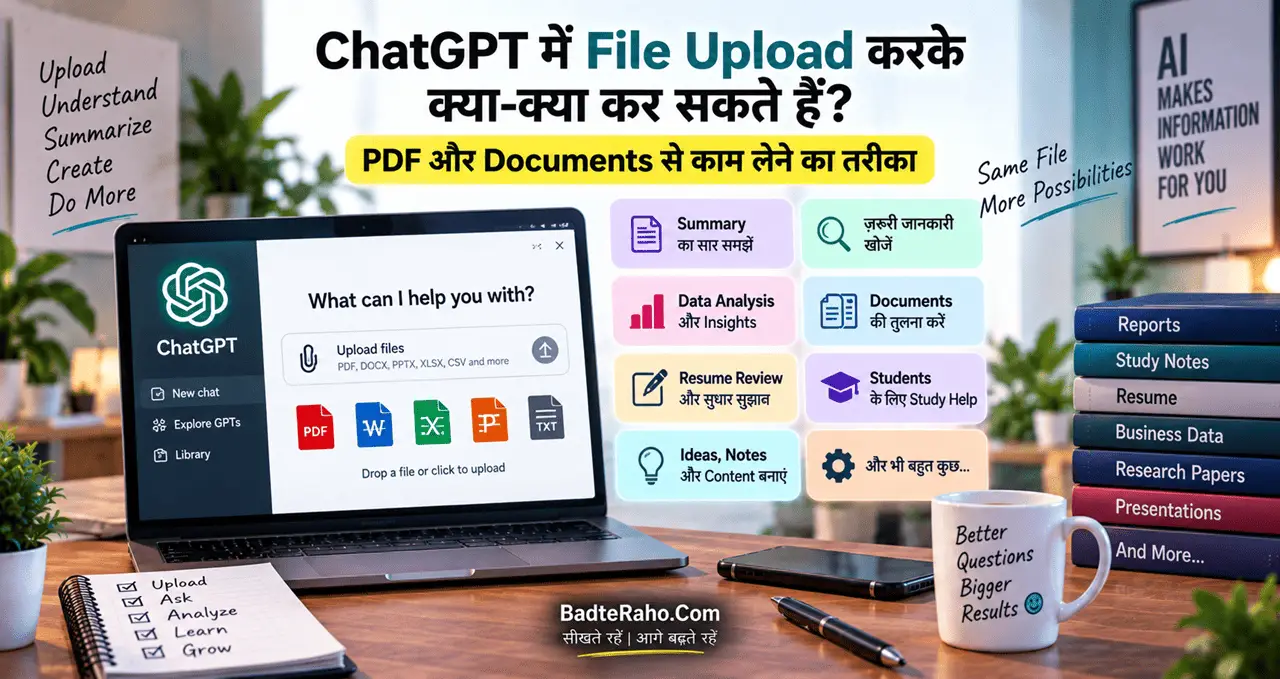
ChatGPT में documents के साथ काम करने के practical examples के लिए File Upload करके PDF और Documents से काम लेने का तरीका भी पढ़ सकते हैं।
4. Constraints बताएँ
Constraint का मतलब है AI को यह बताना कि answer किन boundaries के अंदर रहना चाहिए।
जैसे:
जवाब 150 शब्दों के अंदर रखें।
बहुत formal Hindi use न करें।
कोई price खुद से assume न करें।
केवल दिए गए data का इस्तेमाल करें।
Beginners के लिए समझाएं।
Technical jargon आए तो उसका आसान meaning भी दें।
पाँच options से ज़्यादा न दें।
Constraints बहुत useful हैं, लेकिन जरूरत से ज्यादा restrictions prompt को unnecessarily complex भी बना सकती हैं।
इसलिए हर possible instruction जोड़ने के बजाय वही boundaries दें जो final result के लिए important हैं।
5. Output Format पहले तय करें
कई बार AI सही information देता है, लेकिन उस form में नहीं देता जिसमें आपको चाहिए।
इस problem को आप prompt में ही solve कर सकते हैं।
उदाहरण:
जवाब को चार sections में दें: Problem, कारण, Solution और Next Step.
या:
Comparison table में Price के बजाय Cost Level, Skill Requirement, Time Requirement और Scalability compare करें।
या:
पहले 5 bullet points में summary दें, उसके बाद detailed explanation दें।
Output format बताने से खास तौर पर ये काम आसान होते हैं:
- notes
- reports
- comparisons
- checklists
- content plans
- data extraction
- study material
- business planning
6. Quality Criteria बताएँ
AI को “अच्छा जवाब” क्या मानना है, यह भी बताया जा सकता है।
उदाहरण:
Suggestions practical हों, beginner implement कर सके और unrealistic income claims न हों।
या:
Explanation ऐसी हो कि Class 10 का student भी concept समझ सके, लेकिन important technical meaning oversimplify न हो।
या:
केवल generic tips न दें; हर recommendation के साथ एक practical example भी दें।
यही छोटा सा instruction कई बार answer की quality बदल देता है।
एक आसान Prompt Formula जो ज्यादातर कामों में Use कर सकते हैं
आपको हर बार कोई fixed template copy करने की ज़रूरत नहीं है।
लेकिन शुरुआत के लिए यह mental formula useful है:
Task + Context + Input + Constraints + Output Format + Quality Requirement
उदाहरण:
मैं एक छोटे clothing store का owner हूँ। मेरा goal WhatsApp के जरिए repeat customers बढ़ाना है। मेरे ज्यादातर customers local families और college students हैं। मुझे 10 practical follow-up message ideas दें। Messages short, polite और non-spammy हों। कोई fake discount या urgency invent न करें। हर idea के साथ यह भी बताएं कि message कब भेजना बेहतर रहेगा।
इस एक prompt में:
Task: message ideas
Context: clothing shop
Audience: local families + students
Goal: repeat customers
Constraint: no fake discount
Format: 10 ideas + timing
Quality: short, polite, non-spammy
यही Prompt Engineering का practical रूप है।
Role देना Useful है, लेकिन Magic Trick नहीं
आपने ऐसे prompts देखे होंगे:
Act as the world’s best marketing expert…
Role prompting कभी-कभी useful हो सकता है, लेकिन सिर्फ “expert बनो” लिख देने से automatically perfect answer नहीं मिलेगा।
इससे बेहतर है कि role को task से जोड़ा जाए।
उदाहरण:
आप small-business marketing consultant की तरह इस plan को review करें। Focus practical customer acquisition पर रखें। बड़े brand जैसे budget या team assume न करें।
यह instruction useful है क्योंकि role के साथ focus भी defined है।
लेकिन:
You are the greatest marketing genius in the world.
यह mostly unnecessary है।
Prompt में drama से ज्यादा clarity काम आती है।
Example देकर Output और बेहतर कैसे करें?
कभी-कभी आप जिस style या format का result चाहते हैं, उसका छोटा example देना बहुत effective होता है।
मान लीजिए आपको product captions चाहिए।
आप लिख सकते हैं:
Tone friendly और simple रखें। मुझे इस style के captions पसंद हैं: “छोटी खुशियाँ, घर जैसी मिठास।” इसी feel में 10 नए captions बनाएं, लेकिन example को repeat या closely copy न करें।
या data formatting में:
Output इस pattern में दें:
Problem: …
कारण: …
Action: …
AI को example मिलने पर expected pattern समझना आसान हो जाता है।
इसे broadly example-based prompting या few-shot prompting जैसी techniques से जोड़ा जाता है।
लेकिन आपको terminology याद रखने की जरूरत नहीं है।
बस principle याद रखें:
जिस तरह का output चाहिए, उसका छोटा sample दिखा दें।
पहली बार में Perfect Prompt लिखना ज़रूरी नहीं
Prompt Engineering का शायद सबसे useful lesson यही है।
बहुत लोग सोचते हैं कि उन्हें एक ऐसा “perfect prompt” लिखना है जो पहली कोशिश में flawless answer दे।
असल में practical workflow अक्सर ऐसा होता है:
पहला Prompt → Output देखें → कमी पहचानें → Follow-up दें → Final Output improve करें
मान लीजिए आपने पूछा:
मेरे YouTube channel के लिए AI topics बताएं।
AI ने बहुत broad topics दे दिए।
आप follow-up कर सकते हैं:
इनमें से beginner Hindi audience के लिए केवल वे topics रखें जिनमें practical search intent हो। News-based और highly technical topics हटा दें।
फिर:
अब top 10 topics को beginner difficulty से intermediate difficulty के क्रम में arrange करें।
फिर:
पहले topic के लिए article structure दें, लेकिन repeated headings न रखें।
यानी हर बार शुरुआत से giant prompt लिखना जरूरी नहीं है।
Conversation को iterative बनाना भी Prompt Engineering का हिस्सा है।
AI का जवाब खराब आए तो Prompt कैसे सुधारें?
जब answer अच्छा न आए, “AI बेकार है” कहने के बजाय पहले यह diagnose करें कि problem कहाँ है।
जवाब बहुत Generic है
ऐसे लिखें:
Generic suggestions न दें। मेरी situation के अनुसार actionable steps दें और हर step के साथ एक example जोड़ें।
जवाब बहुत लंबा है
इसे 7 concise points में summarize करें। Repetition हटाएं।
भाषा मुश्किल है
इसे simple conversational Hindi-English में rewrite करें। Technical term जरूरी हो तो उसका आसान meaning भी बताएं।
AI गलत assumptions कर रहा है
जिन details की information मैंने नहीं दी है, उन्हें assume न करें। जहाँ information missing हो, उसे clearly mention करें।
Output गलत format में है
पूरा answer दोबारा न बदलें। इसी information को checklist format में reorganize करें।
AI important point छोड़ रहा है
ऊपर के answer में cost, risks और implementation time cover नहीं हुए। इन्हें अलग section में जोड़ें।
यह approach आपको बार-बार completely नया prompt लिखने से बचाती है।
Ready-to-Use Prompt: अपने खराब Prompt को Improve करवाएँ
अगर आपको खुद समझ नहीं आ रहा कि prompt कैसे बेहतर लिखा जाए, AI से ही मदद ले सकते हैं।
मैं नीचे एक AI prompt दे रहा/रही हूँ। पहले इसमें ambiguity, missing context और unnecessary instructions identify करें। उसके बाद इसका बेहतर version लिखें। मेरे original goal को change न करें। अगर कोई critical information missing है तो पहले maximum 3 clarification questions पूछें।
मेरा Prompt: [यहाँ अपना prompt paste करें]
यह prompt खास तौर पर beginners के लिए useful है।
Ready-to-Use Prompt: किसी Concept को समझने के लिए
मुझे [Topic] beginner level पर समझाएं। पहले 2–3 lines में simple definition दें, फिर real-life example से समझाएं। उसके बाद बताएं कि यह concept practically कहाँ use होता है। Technical terms को avoid न करें, लेकिन हर important term का आसान meaning भी बताएं। अंत में 5-point recap दें।
Students इसे अपने subject के अनुसार customize कर सकते हैं।
AI का study में responsible use कैसे करना है, उसके लिए Students के लिए AI का सही इस्तेमाल भी useful है।
Ready-to-Use Prompt: किसी Decision को Compare करने के लिए
मैं [Option A] और [Option B] में decide कर रहा/रही हूँ। मेरी situation: [Context]. मेरा main goal [Goal] है और मेरी limitations [Budget/Time/Skills] हैं। दोनों options को cost, learning difficulty, time requirement, risk, practical usefulness और long-term potential पर compare करें। पहले neutral comparison दें, फिर मेरी situation के अनुसार recommendation दें। Missing information को खुद से invent न करें।
यह career, business, tools या learning options compare करने में useful हो सकता है।
लेकिन financial, legal, medical या दूसरे high-stakes decisions में AI answer को final authority न मानें।
Ready-to-Use Prompt: Content Writing के लिए
Topic: [Topic]
Target reader: [Audience]
Goal: [Reader को क्या समझना/करना है]
Tone: conversational, practical और beginner-friendly
Article में पहले reader की real problem से शुरुआत करें। फिर concept समझाएं, उसके बाद actionable steps, examples, common mistakes और next steps दें। Unverified statistics या fake examples invent न करें। Repetition से बचें और headings reader के natural questions के हिसाब से रखें।
यह एक useful base prompt है, लेकिन final content को human review जरूर चाहिए।
Ready-to-Use Prompt: Business Idea Evaluate करने के लिए
मैं [Business Idea] शुरू करने पर विचार कर रहा/रही हूँ। Location: [Place]. Target customer: [Audience]. Available skills/resources: [Details]. शुरुआती budget: [Range, अगर बताना चाहें].
इस idea को practical तरीके से evaluate करें। Customer problem, demand test, basic setup, शुरुआती costs की categories, pricing logic, first 10 customers पाने के possible methods, risks और एक low-cost test plan बताएं। किसी earning figure या demand को guarantee न करें।
यह prompt idea को “अच्छा या खराब” कहने के बजाय उसे testable बनाने पर focus करता है।
Ready-to-Use Prompt: AI Image बनाने के लिए
Image generation में vague prompt और भी जल्दी दिखाई देता है।
“एक businessman की image बनाओ” के बजाय subject, location, composition, lighting और mood specify करना useful होता है।
एक realistic Indian small-business owner को उसकी compact local stationery shop में दिखाएं। Background में notebooks, pens और school supplies naturally arranged हों। Owner customer order तैयार कर रहा हो। Scene warm, practical और everyday Indian market feel वाला हो, futuristic office जैसा नहीं। Eye-level camera, natural indoor lighting, editorial photography style, realistic proportions, clean composition, no random text or logos.
AI images के prompts सीखने के लिए AI से Photo बनाना कैसे सीखें? वाला guide भी मदद करेगा।
Ready-to-Use Prompt: AI से अपने Answer का Review करवाएँ
AI का पहला answer आने के बाद यह follow-up useful हो सकता है:
अपने पिछले answer को critical तरीके से review करें। Identify करें:
- कौन-सी बातें assumptions पर based हैं
- कहाँ answer generic है
- कौन-से claims verify करने चाहिए
- कौन-सा important practical point missing है
- कहाँ response को shorter या clearer बनाया जा सकता है
उसके बाद improved version दें। कोई नया fact बिना आधार के add न करें।
ध्यान रखें कि AI का खुद अपने answer को review करना external fact-checking का replacement नहीं है।
AI confident language में गलत information भी दे सकता है। इसे समझने के लिए AI Hallucination क्या है? पढ़ना useful रहेगा।
Prompt लिखते समय 8 Common Mistakes
अब तक हमने देखा कि अच्छा prompt कैसे बनता है। लेकिन कई बार छोटी mistakes भी output खराब कर देती हैं।
1. बहुत Vague Prompt
Business बताओ।
AI को direction नहीं मिलती।
इसकी जगह बताएं कि किस type का business, किसके लिए और किस goal से information चाहिए।
2. एक Prompt में 15 अलग Tasks
अगर आप analysis, article, captions, SEO, image prompt, business plan और spreadsheet—all at once मांगेंगे, output की quality uneven हो सकती है।
Complex project को stages में बाँटें।
पहले analysis → फिर plan → फिर execution.
3. Contradictory Instructions
जैसे:
Answer बहुत detailed हो लेकिन सिर्फ 50 words में हो।
कुछ requirements एक-दूसरे से conflict कर सकती हैं।
Important requirement decide करें।
4. Missing Context
AI mind-reader नहीं है।
“मेरे लिए best option बताओ” तभी meaningful है जब उसे पता हो कि आपकी priorities क्या हैं।
5. Fake Precision माँगना
Exactly बताओ कि इस business से हर महीने कितनी income होगी।
अगर reliable data नहीं है, तो ऐसा prompt AI को false certainty की तरफ push कर सकता है।
Better:
Income को guarantee न करें। Revenue को प्रभावित करने वाले factors और simple scenario-based calculation समझाएं।
6. बिना Review के Output Use करना
AI ने email, resume, article, analysis या data summary बना दी—इसका मतलब यह नहीं कि उसे बिना पढ़े भेज देना चाहिए।
Names, dates, numbers, claims और tone check करें।
7. बहुत ज्यादा “Expert Role” जोड़ना
एक ही prompt में:
“Act as CEO, economist, psychologist, marketer, copywriter और business coach…”
ऐसे roles अक्सर clarity बढ़ाने के बजाय instruction को noisy बना देते हैं।
Task के लिए relevant role ही रखें।
8. पुराने Prompt को हर Situation में Copy करना
Internet पर मिले “ultimate prompts” useful starting points हो सकते हैं, लेकिन हर task का context अलग होता है।
एक job resume prompt को business research में blindly use करना Prompt Engineering नहीं है।
Template से ज्यादा important adaptation है।
क्या Prompt जितना लंबा होगा, Answer उतना अच्छा होगा?
नहीं।
यह Prompt Engineering से जुड़ी सबसे common misunderstanding है।
कई simple tasks के लिए short prompt perfect हो सकता है।
उदाहरण:
इसे 5 bullet points में summarize करें।
अगर AI के पास पहले से वह text available है, तो यह instruction पर्याप्त है।
Complex prompt तब चाहिए जब task complex हो।
इसलिए ideal approach है:
Simple task → Simple prompt
Complex task → Structured prompt
Prompt में सिर्फ इसलिए 500 words न लिखें क्योंकि आपने कहीं “mega prompt” देखा है।
Unnecessary rules output को rigid, repetitive या confusing बना सकती हैं।
क्या Prompt में “Step by Step Think करो” लिखना चाहिए?
हर situation में नहीं।
अगर आपको transparent output चाहिए, तो बेहतर है कि आप साफ बताएं कि आपको क्या देखना है।
जैसे:
Calculation में इस्तेमाल किए गए assumptions और formula दिखाएं।
या:
Recommendation देने से पहले comparison criteria दिखाएं।
या:
Answer को तीन stages में दें: Analysis, Options और Recommendation.
यह “सोचो” कहने से ज्यादा useful है क्योंकि आप final response में किस तरह की reasoning या evidence चाहते हैं, वह स्पष्ट हो जाता है।
आपको AI की hidden internal reasoning देखने की जरूरत नहीं है। Practical काम के लिए assumptions, calculations, sources, criteria और final explanation ज्यादा useful हैं।
Prompt Engineering और LLM का क्या Connection है?
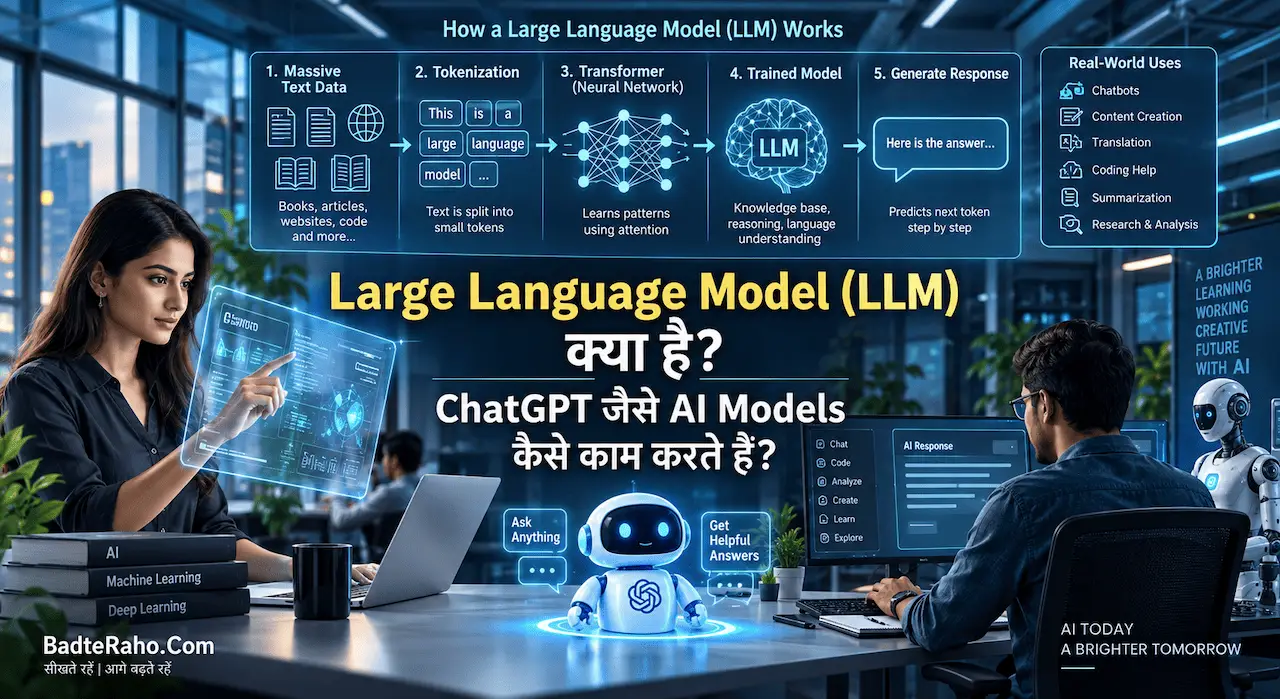
ChatGPT जैसे कई text-based AI systems Large Language Models यानी LLMs पर आधारित होते हैं।
ये models आपके prompt में मौजूद language, context और patterns को process करके आगे का useful response generate करने की कोशिश करते हैं।
इसलिए prompt सिर्फ “command” नहीं है—वह model को context देने का माध्यम भी है।
अगर आप इसके पीछे की basic technology को आसान भाषा में समझना चाहते हैं, तो Large Language Model यानी LLM क्या है? पढ़ सकते हैं।
यह समझना useful है क्योंकि इससे एक important बात clear होती है:
AI आपके intention को magically नहीं जानता। वह आपके दिए input पर depend करता है।
Prompt Engineering सीखने का सबसे अच्छा तरीका क्या है?
इसके लिए 100 prompts याद करने की जरूरत नहीं है।
एक practical learning method अपनाएं।
Step 1: रोज़ का एक Real Task चुनें
जैसे:
- email rewrite
- study notes
- content idea
- business planning
- comparison
- data summary
- image prompt
Step 2: पहले अपना Natural Prompt लिखें
Overthink न करें।
जो normally पूछते हैं, वही लिखें।
Step 3: Output में Problem पहचानें
क्या जवाब:
- बहुत generic है?
- बहुत लंबा है?
- assumptions कर रहा है?
- गलत tone में है?
- useful format में नहीं है?
Step 4: सिर्फ Problem वाली Instruction जोड़ें
अगर output generic है तो context जोड़ें।
अगर messy है तो format बताएं।
अगर uncertain है तो assumptions रोकें।
अगर shallow है तो examples या criteria मांगें।
Step 5: दोनों Outputs Compare करें
आप कुछ दिनों में खुद notice करेंगे कि कौन-सी instructions किस तरह output बदलती हैं।
यही real Prompt Engineering practice है।
एक Prompt को बेहतर बनाने का Before और After Example
मान लीजिए आपका original prompt है:
मुझे freelancing शुरू करनी है, क्या करूँ?
यह beginner question है, लेकिन बहुत broad है।
अब improved version देखें:
मैं beginner हूँ और freelancing शुरू करना चाहता/चाहती हूँ। मेरे पास basic writing, Canva और social media की skills हैं, लेकिन अभी कोई client experience नहीं है। मुझे पहले 30 दिनों का practical roadmap दें जिसमें skill selection, sample portfolio, service packaging, client search और daily actions शामिल हों। किसी guaranteed earning का दावा न करें। शुरुआत में paid tools जरूरी हों तो free alternatives भी बताएं।
अब AI के पास decision लेने के लिए useful context है।
लेकिन अगर इनमें से कुछ details आपकी situation पर apply नहीं करतीं, तो copy-paste मत करें।
Good Prompt हमेशा आपकी actual situation से शुरू होता है।
Prompt Engineering की असली Skill क्या है?
Prompt Engineering को सिर्फ “AI से magic words बोलने” की technique मानना गलत होगा।
असल skill इन चीजों का combination है:
Clear Thinking + Clear Communication + Context + Verification + Iteration
आपको यह पता होना चाहिए कि:
- problem क्या है
- सही question क्या है
- useful information कौन-सी है
- answer को evaluate कैसे करना है
- AI की गलती कहाँ हो सकती है?
इसी वजह से अच्छा prompt लिखना सिर्फ AI skill नहीं, बल्कि problem-solving skill भी है।
और जैसे-जैसे AI systems improve होते जाएँगे, exact “secret prompt tricks” बदल सकती हैं—लेकिन clear goal, useful context और output evaluation जैसे fundamentals लंबे समय तक काम आएँगे।
एक Final Prompt Checklist
AI को prompt भेजने से पहले खुद से जल्दी से ये सवाल पूछ सकते हैं:
- क्या मेरा actual goal clear है?
- क्या relevant context दिया है?
- क्या AI के पास जरूरी input है?
- क्या मैंने unnecessary information हटाई है?
- क्या important limitation बताई है?
- क्या output format clear है?
- क्या AI को facts invent करने से रोका जाना चाहिए?
- क्या answer को बाद में verify करना है?
हर prompt में सभी boxes tick करना जरूरी नहीं।
लेकिन complex task में यह checklist काफी mistakes बचा सकती है।
आख़िर में एक छोटी सी बात
Prompt Engineering का मतलब ऐसे “secret commands” खोजना नहीं है जिनसे AI अचानक perfect हो जाए।
इसका मतलब है AI के साथ बेहतर communication करना।
पहले अपना goal clear करें। फिर relevant context दें। जरूरत हो तो input material जोड़ें। Important constraints बताएं। Output का format तय करें और पहला जवाब perfect न हो तो उसे refine करें।
सबसे important बात—AI का अच्छा answer सिर्फ अच्छे prompt पर depend नहीं करता। आपको output को पढ़ना, गलत assumptions पकड़ना और important facts verify करना भी आना चाहिए।
इसलिए अगली बार ChatGPT का जवाब weak लगे तो तुरंत नया tool ढूँढने से पहले अपना prompt देखें। शायद सिर्फ दो extra lines of context, एक clear constraint या सही output format पूरे result को बदल दे।
अगर आप AI रोज़ इस्तेमाल करते हैं, तो बताइए—आप सबसे ज़्यादा किस काम के लिए अपने Prompts बेहतर करना चाहते हैं: Study, Business, Career, Content Writing या Daily Work?