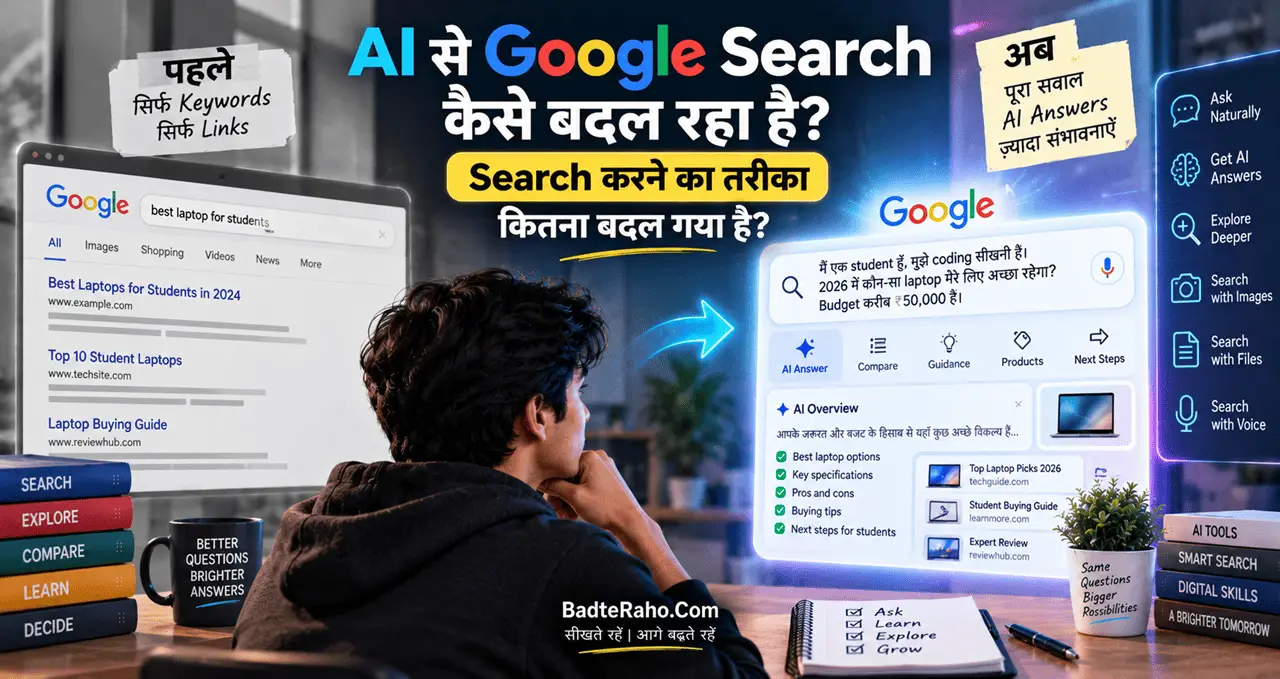












आप Google Maps से रास्ता पूछते हैं।
YouTube आपकी पसंद के videos suggest करता है।
Phone की gallery चेहरों के हिसाब से photos group कर देती है।
ChatGPT से सवाल पूछते हैं और कुछ seconds में जवाब मिल जाता है।
इन सभी experiences के पीछे अलग-अलग technologies हो सकती हैं, लेकिन एक शब्द बार-बार सामने आता है—AI यानी Artificial Intelligence।
लेकिन AI आखिर है क्या? क्या computer सच में “सोचता” है? Machine Learning, Generative AI और ChatGPT इसमें कहाँ fit होते हैं?
इन्हीं सवालों को आसान examples से समझते हैं।
इस लेख में आप क्या सीखेंगे?
- AI का असली मतलब
- AI कैसे सीखता है
- Machine Learning का role
- Generative AI क्या है
- LLM कैसे काम करता
- AI कहाँ इस्तेमाल होता
- AI की limitations
- AI Use कैसे करें
AI क्या है?
AI यानी Artificial Intelligence ऐसी technology और techniques का broad field है जिनका goal computers को ऐसे tasks करने लायक बनाना है जिनमें आमतौर पर human intelligence की जरूरत पड़ती है।
जैसे:
Language समझना.
Image पहचानना.
Patterns ढूंढना.
Recommendation देना.
Prediction करना.
Questions के जवाब देना.
Voice को text में बदलना.
नई image या text generate करना.
AI का मतलब यह जरूरी नहीं कि machine इंसान की तरह consciousness रखती हो या हर बात समझती हो।
कई AI systems एक specific task में बहुत अच्छे होते हैं, लेकिन उस task के बाहर उनकी capability limited हो सकती है।
उदाहरण के लिए, photo-recognition system image में cat पहचान सकता है, लेकिन उससे आप tax planning के बारे में meaningful advice नहीं ले सकते।
इसलिए “AI” एक single machine नहीं, बल्कि technologies का पूरा ecosystem है।
क्या AI सच में इंसान की तरह सोचता है?
यह सबसे common confusion है।
जब ChatGPT natural language में जवाब देता है तो ऐसा महसूस हो सकता है कि सामने कोई इंसान reasoning कर रहा है।
लेकिन AI systems का काम human brain की exact copy नहीं है।
Modern AI बड़ी मात्रा में data से patterns सीखता है और उन patterns के आधार पर output generate करता है।
मान लीजिए आपने किसी बच्चे को हजारों photos दिखाईं और बताया कि कौन-सी dog है और कौन-सी cat।
धीरे-धीरे वह कुछ visual differences पहचानना सीख सकता है।
Machine Learning में broadly इसी idea को mathematical models, data और computing power के जरिए scale किया जाता है।
AI “समझ” रहा है या सिर्फ़ patterns process कर रहा है—यह philosophical और technical discussion का बड़ा विषय है।
लेकिन practical user के लिए इतना समझना काफी है:
AI का confident output हमेशा human-level understanding की guarantee नहीं होता।
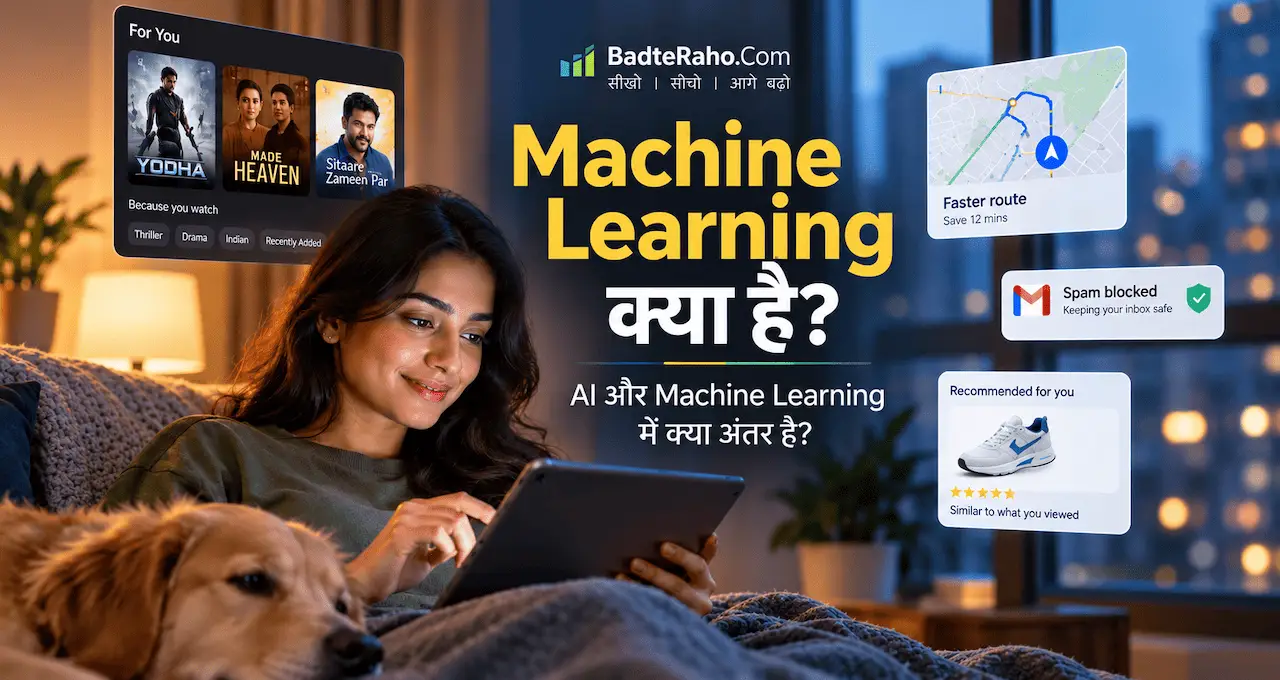
AI और Machine Learning में क्या फर्क है?
AI एक बड़ा field है।
Machine Learning यानी ML, AI के अंदर आने वाला एक important approach है।
Simple तरीके से समझें:
AI = बड़ा goal
Machines से intelligent tasks करवाना।
Machine Learning = एक तरीका
Data से patterns सीखकर task perform करना।
मान लीजिए आप email spam filter बनाना चाहते हैं।
Old-style programming में developer manually rules लिख सकता था:
अगर subject में “free money” है तो spam.
अगर बहुत सारे suspicious links हैं तो spam.
लेकिन scammers language बदल सकते हैं।
Machine Learning system को बहुत सारे spam और genuine emails दिखाए जा सकते हैं। Model उन examples से patterns सीखकर नए email के spam होने की probability estimate कर सकता है।
AI और ML के difference को detail में Machine Learning क्या है? AI और Machine Learning में क्या अंतर है? में समझ सकते हैं।
Machine Learning कैसे सीखता है?
Machine Learning को समझने के लिए तीन चीजें useful हैं:
Data
Model को examples चाहिए।
Pattern Learning
System data में relationships ढूंढता है।
Prediction या Output
सीखे हुए patterns के आधार पर नया result देता है।
Example:
एक bank historical transactions का data use करके suspicious transaction patterns detect करना चाहता है।
Model पुराने examples से learn कर सकता है कि किन combinations में fraud का risk ज्यादा दिखाई देता है।
फिर नई transaction आने पर वह risk score दे सकता है।
लेकिन model का answer perfect नहीं होगा।
अगर training data खराब है, incomplete है या real-world situation बदल गई है, तो model गलत prediction कर सकता है।
इसीलिए AI में data quality बहुत important है।
Training क्या होती है?
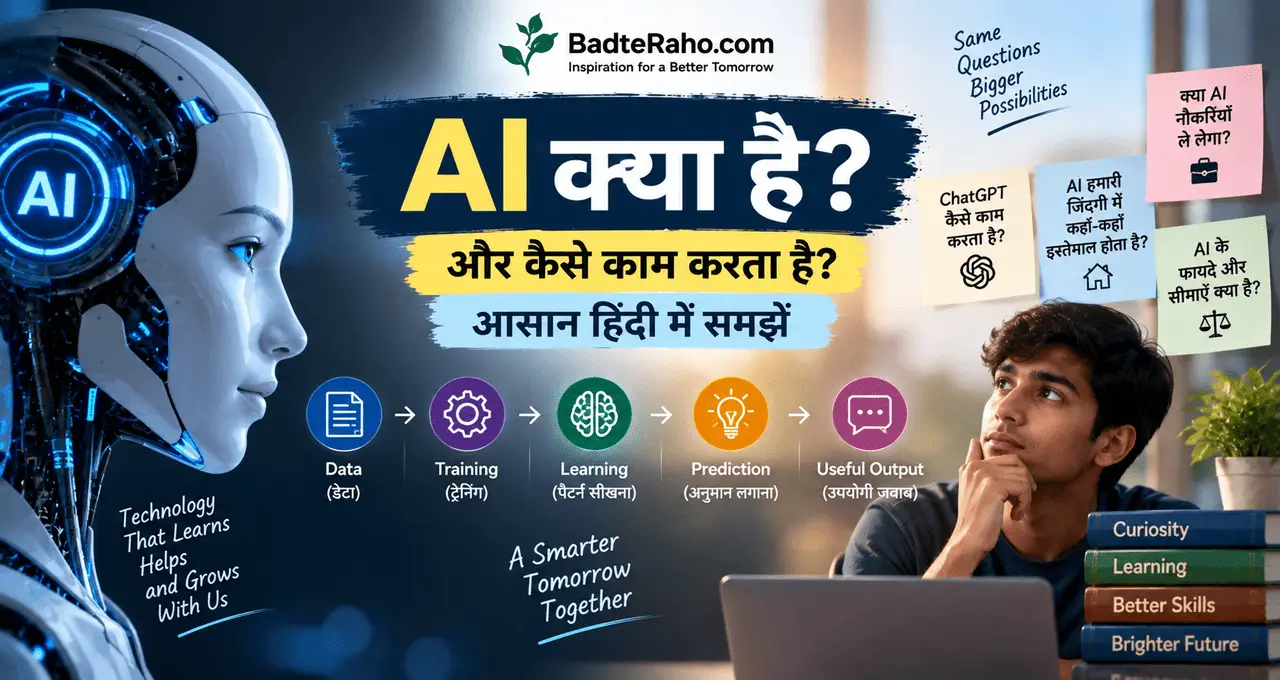
जब AI model को बड़ी मात्रा में data के जरिए patterns सीखने के लिए तैयार किया जाता है, उस process को broadly training कहा जाता है।
Training के दौरान model अपने internal parameters adjust करता है ताकि examples पर बेहतर output दे सके।
इसे school वाली memory से बिल्कुल same न समझें।
Model हर line को notebook की तरह store करके सिर्फ़ reproduce नहीं करता।
वह statistical relationships सीखता है।
उदाहरण के लिए, language model बहुत सारे text examples से सीख सकता है कि किस तरह के words, phrases और concepts अक्सर एक-दूसरे के साथ आते हैं।
Training computationally expensive हो सकती है, खासकर बड़े models के लिए।
एक बार training हो जाने के बाद user model को prompt देता है और model उस prompt के आधार पर output generate करता है।
AI Model क्या होता है?
AI model को एक trained mathematical system की तरह समझ सकते हैं।
Training के दौरान model data से patterns सीखता है।
फिर new input मिलने पर उन patterns के आधार पर output देता है।
Example:
Input: Photo
Output: “यह dog है।”
या:
Input: “आज दिल्ली में weather कैसा है?”
Output: Relevant answer, अगर model के पास current information या connected data source available हो।
या:
Input: “मेरे product के लिए Instagram caption लिखो।”
Output: New text.
Different models अलग capabilities के लिए बनाए जा सकते हैं।
कुछ text के लिए।
कुछ images के लिए।
कुछ audio के लिए।
कुछ multiple formats handle कर सकते हैं।
Generative AI क्या है?
Traditional AI systems कई बार classification या prediction के लिए use होते थे।
Generative AI की खासियत है कि यह नया content generate कर सकता है।
जैसे:
Text.
Images.
Code.
Audio.
Video.
Presentations.
Ideas.
Summaries.
ChatGPT जैसे tools text generate कर सकते हैं।
Image-generation systems text description से image बना सकते हैं।
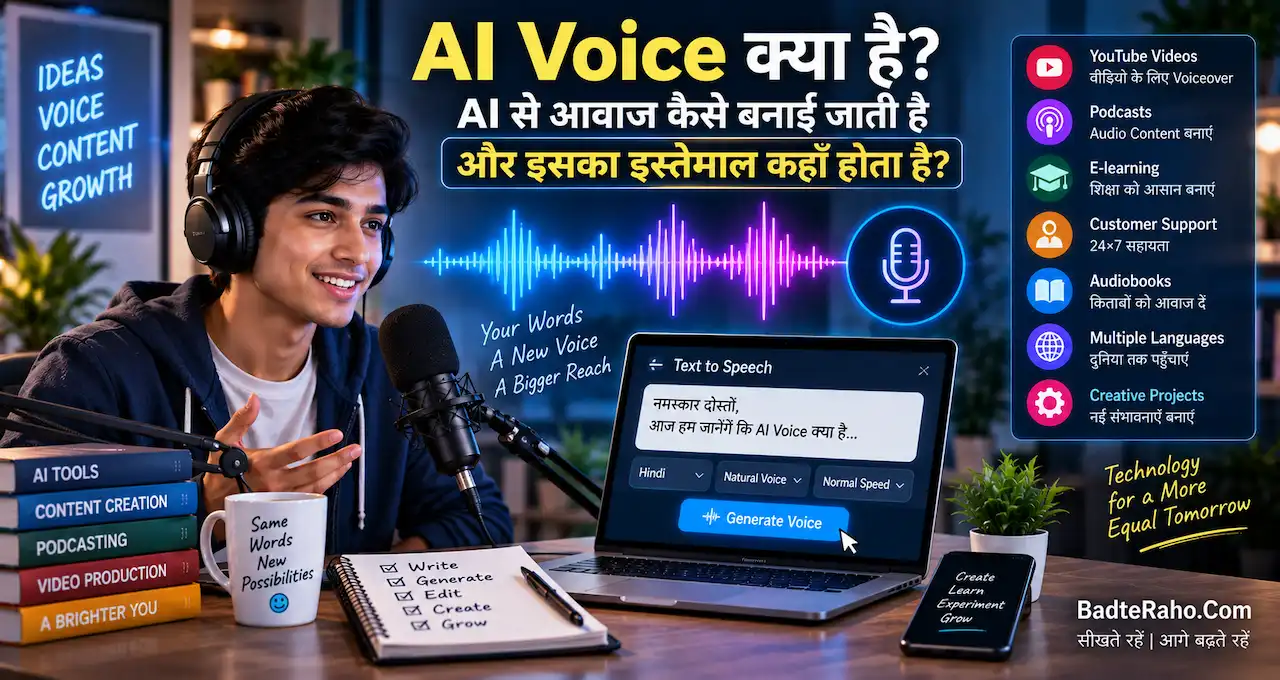
AI voice tools synthetic speech generate कर सकते हैं।
इसी वजह से Generative AI आम users तक बहुत तेजी से पहुँचा।
इस topic को detail में Generative AI क्या है? ChatGPT और दूसरे AI Tools कैसे काम करते हैं? में समझ सकते हैं।
ChatGPT किस तरह का AI है?
ChatGPT broadly Generative AI category में आता है।
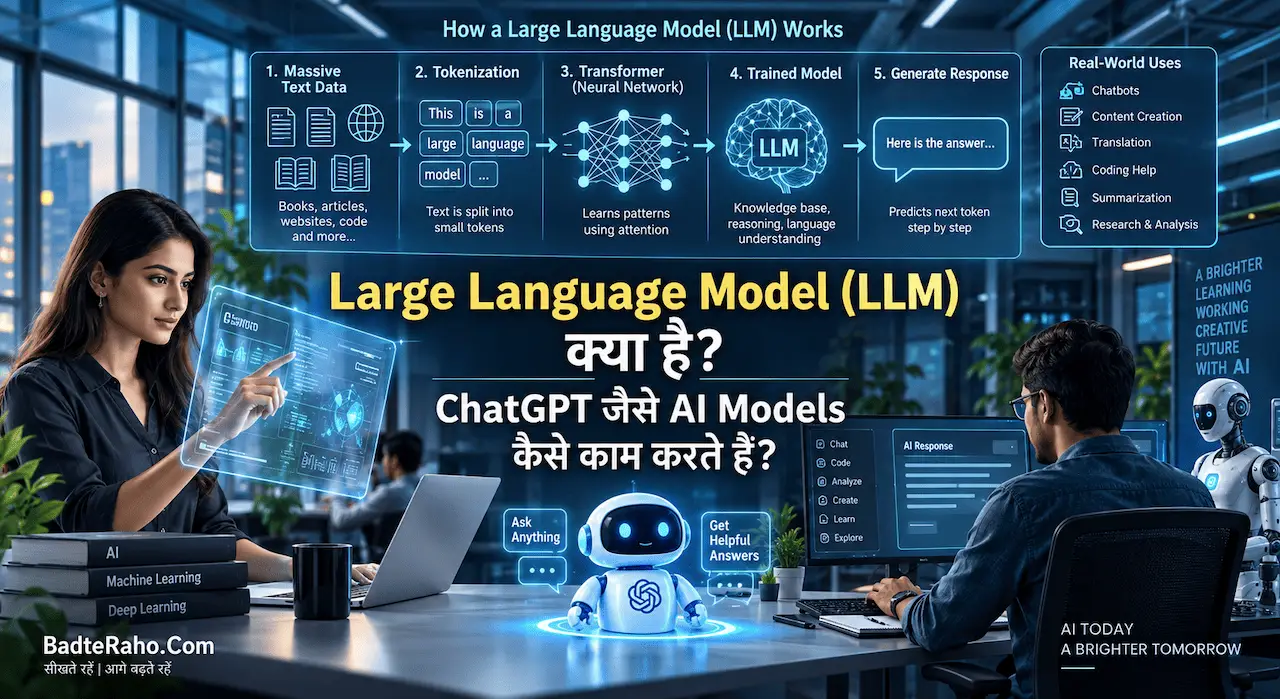
इसका core language capability Large Language Models यानी LLMs से जुड़ा है।
LLM बहुत बड़ी मात्रा में text से language patterns सीखता है।
जब आप prompt लिखते हैं:
“मुझे simple Hindi में solar system समझाओ।”
Model prompt और conversation context को देखकर next useful words generate करता जाता है।
यह process इतनी तेजी से होता है कि output conversation जैसा लगता है।
लेकिन important बात:
Model हर बार किसी database से ready-made sentence copy नहीं करता।
वह learned patterns के आधार पर response generate करता है।
LLMs को detail में Large Language Model (LLM) क्या है? ChatGPT जैसे AI Models कैसे काम करते हैं? में समझाया गया है।
LLM जवाब कैसे बनाता है?
Simplified level पर LLM text को छोटे units यानी tokens में process करता है।
फिर context के आधार पर यह estimate करता है कि अगला useful token क्या हो सकता है।
एक token पूरा word भी हो सकता है या word का हिस्सा।
मान लीजिए sentence है:
“भारत की राजधानी…”
Model context देखकर “नई दिल्ली” जैसी continuation की probability ज्यादा मान सकता है।
लेकिन modern LLM सिर्फ़ simple autocomplete नहीं है।
Training, model architecture, instruction tuning और दूसरे techniques इसे complex questions, summarization, coding, reasoning-style tasks और conversation handle करने लायक बनाते हैं।
फिर भी base principle statistical pattern generation से जुड़ा रहता है।
AI Assistant और AI Agent क्या होते हैं?
AI Assistant आमतौर पर user के prompt का जवाब देता है या किसी task में मदद करता है।
Example:
Email draft करना.
Document summarize करना.
Question answer करना.
Ideas देना.
AI Agent concept थोड़ा आगे जाता है।
Agent किसी goal को लेकर multiple steps plan और execute कर सकता है, अगर उसे tools और permissions मिले हों।
Example:
Travel options compare करना.
Data collect करना.
Files organize करना.
किसी workflow के कई steps complete करना.
AI Agent को detail में AI Agent क्या है? Chatbot से कितना अलग है और यह क्या-क्या कर सकता है? में समझ सकते हैं।
और Assistant तथा Agent के फर्क के लिए AI Agent और AI Assistant में क्या अंतर है? आसान उदाहरण से समझें useful रहेगा।
AI हमारे रोज़मर्रा के जीवन में कहाँ इस्तेमाल हो रहा है?
AI सिर्फ़ ChatGPT नहीं है।
हम लंबे समय से कई AI-driven systems का उपयोग करते आ रहे हैं।
Recommendation Systems
YouTube, Netflix या shopping platforms आपकी activity के आधार पर recommendations दे सकते हैं।
Maps और Navigation
Traffic patterns और route data से better route suggest किया जा सकता है।
Spam Detection
Email services suspicious messages filter करती हैं।
Voice Assistants
Speech recognition के जरिए आवाज को समझकर command process की जाती है।
Photo Apps
Face grouping, object recognition और image enhancement.
Banking
Fraud detection और risk analysis.
E-commerce
Product recommendations, demand prediction और customer support.
Healthcare
कुछ systems medical imaging analysis और clinical support में assist कर सकते हैं, लेकिन professional medical judgement की जगह नहीं लेते।
यानी AI कई जगह background में काम कर रहा होता है, भले user को “AI” label दिखाई न दे।
AI और Automation में क्या फर्क है?
हर automation AI नहीं होती।
यह बहुत जरूरी distinction है।
Example:
हर दिन सुबह 9 बजे automatic email भेजना।
यह automation है।
System बस fixed rule follow कर रहा है।
लेकिन अगर system email content पढ़कर urgency identify करे और different reply suggest करे, तो उसमें AI use हो सकता है।
Simple rule:
Automation = पहले से तय rules follow करना
AI = data, patterns और context के आधार पर flexible output देना
कई modern systems दोनों को combine करते हैं।
AI decision या draft तैयार करता है और automation उसे workflow में आगे भेजती है।
AI अच्छा Answer कैसे देता है?
AI output कई factors पर depend कर सकता है:
Model की capability.
Training.
Prompt की clarity.
Available context.
Tool access.
Current information की availability.
अगर आप prompt लिखते हैं:
“Business idea दो।”
Answer generic हो सकता है।
लेकिन अगर लिखते हैं:
“मैं जयपुर में ₹50,000 budget से women ethnic wear का small home business शुरू करना चाहता हूँ। Local customers target हैं। 5 practical ideas दो।”
Context better है।
Output भी ज्यादा relevant हो सकता है।
Better prompts लिखने का तरीका Prompt Engineering क्या है? AI से बेहतर जवाब पाने के लिए Prompt कैसे लिखें? में detail से समझाया गया है।
AI गलत जवाब क्यों देता है?
AI powerful है, लेकिन perfect नहीं।
कभी-कभी model ऐसा answer generate कर सकता है जो language में confident लगे लेकिन factually गलत हो।
इसे AI Hallucination कहा जाता है।
Example:
Fake book reference.
Wrong date.
Invented statistic.
ऐसी company का नाम जो exist ही नहीं करती.
Model का goal हमेशा “truth database” से answer निकालना नहीं होता।
Language model context के आधार पर likely response generate करता है।
इसलिए important facts verify करने चाहिए।
Especially:
Medical advice.
Legal information.
Financial decisions.
Government schemes.
Current prices.
Latest news.
Academic citations.
AI Hallucination को detail में AI Hallucination क्या है? ChatGPT कभी-कभी गलत जवाब क्यों देता है? में पढ़ सकते हैं।
AI की सबसे बड़ी limitations क्या हैं?
1. गलत Information
Confident answer हमेशा correct नहीं।
2. Outdated Knowledge
हर AI system के पास live internet या latest information नहीं होती।
3. Bias
Training data में मौजूद biases output में influence कर सकते हैं।
4. Context की कमी
AI आपकी पूरी real-life situation automatically नहीं जानता।
5. Human Judgement की कमी
Ethical, emotional और high-impact decisions में human judgement जरूरी है।
6. Privacy Risk
Sensitive data गलत tool में share करना problem बन सकता है।
AI की capability समझना जितना जरूरी है, उसकी limitation समझना भी उतना ही जरूरी है।
AI को “Search Engine” समझना सही है?
पूरी तरह नहीं।
Search engine और Generative AI का काम अलग हो सकता है।
Traditional search engine आपको webpages और sources तक पहुंचाता है।
AI assistant information explain, summarize और generate कर सकता है।
लेकिन modern tools में search और AI कई जगह combine हो रहे हैं।
अगर आपको current information चाहिए—जैसे आज की news, current price, latest government rule—तो यह verify करना जरूरी है कि AI live/current source use कर रहा है या सिर्फ़ learned knowledge पर answer दे रहा है।
Current information में source checking ज्यादा important है।
AI हमारी Jobs को कैसे बदल सकता है?
AI का impact हर job में same नहीं होगा।
कुछ repetitive tasks automate हो सकते हैं।
कुछ jobs में AI productivity tool बन सकता है।
कुछ नए roles भी बन सकते हैं।
Example:
Writer AI से first draft ले सकता है।
Designer idea generation में use कर सकता है।
Small business owner customer replies बना सकता है।
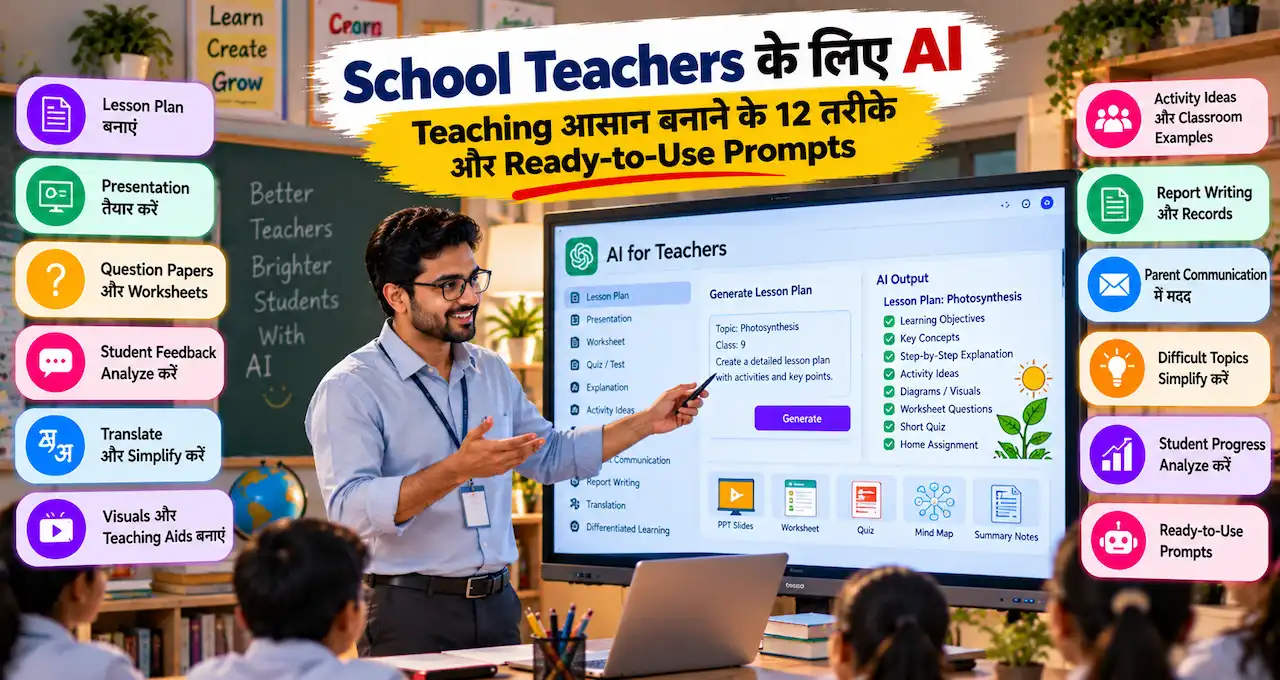
Student explanation और quiz के लिए use कर सकता है।
Developer coding assistance ले सकता है।
लेकिन output review करने की skill important होती जा रही है।
AI के दौर में सिर्फ़ “AI use करना” skill नहीं है।
AI का output judge करना भी skill है।
Career पर broader impact के लिए AI से नौकरी जाएगी या नई Jobs बनेंगी? 2026 में Career पर AI का असर useful रहेगा।
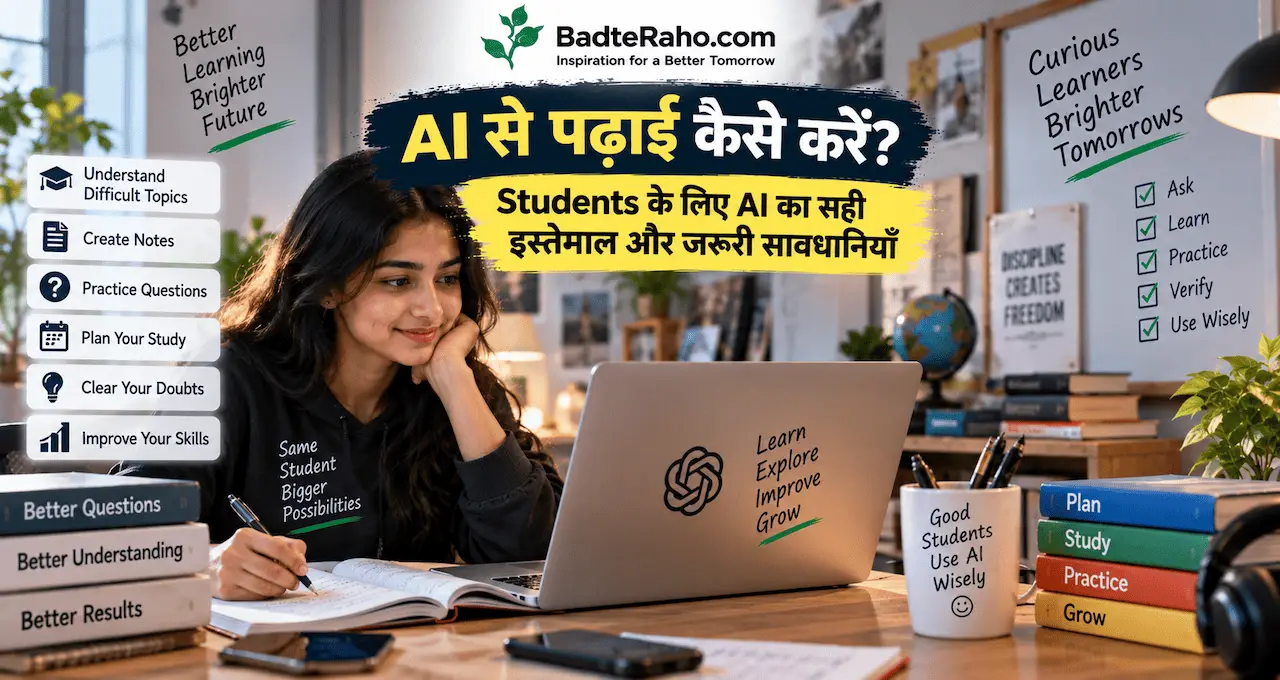
Students AI का use कैसे कर सकते हैं?
AI study में useful हो सकता है अगर उसे shortcut की जगह learning tool की तरह use करें।
Example:
Difficult concept को simple language में explain करवाना.
Quiz बनवाना.
Revision questions तैयार करना.
Essay structure समझना.
Study plan बनाना.
लेकिन homework पूरा AI से करवाकर copy करना learning को weak कर सकता है।
AI को teacher replacement नहीं, study assistant की तरह use करना ज्यादा useful है।
छोटे Business में AI कहाँ काम आ सकता है?
छोटे दुकानदार और business owners AI को practical tasks में use कर सकते हैं।
Customer reply draft.
Product description.
Social media caption.
Sales follow-up.
Offer ideas.
Business planning.
Customer feedback summary.
Daily task planning.
इसके लिए expensive AI system जरूरी नहीं।
Simple text-based tools से भी शुरुआत हो सकती है।
AI छोटे दुकानदारों और कारोबारियों का Business कैसे बदल सकता है? 10 Practical Uses में business use cases detail में दिए गए हैं।
AI Use करते समय Privacy क्यों Important है?
AI tool में information डालने से पहले सोचें कि आप क्या share कर रहे हैं।
Sensitive information में शामिल हो सकती है:
Password.
OTP.
Bank details.
Private customer data.
Confidential company documents.
Medical records.
Personal identity documents.
हर AI tool की privacy और data-handling policy अलग हो सकती है।
इसलिए सिर्फ़ convenience के लिए unnecessary personal information upload न करें।
Simple rule:
Task complete करने के लिए जितनी information जरूरी है, उतनी ही share करें।
क्या AI इंसानों को replace कर देगा?
यह question बहुत broad है।
कुछ tasks में AI human effort dramatically कम कर सकता है।
लेकिन “task replace होना” और “पूरी job replace होना” same बात नहीं हैं।
Example:
AI customer reply draft कर सकता है।
लेकिन angry customer को समझना, discount approve करना और relationship maintain करना human owner का काम रह सकता है।
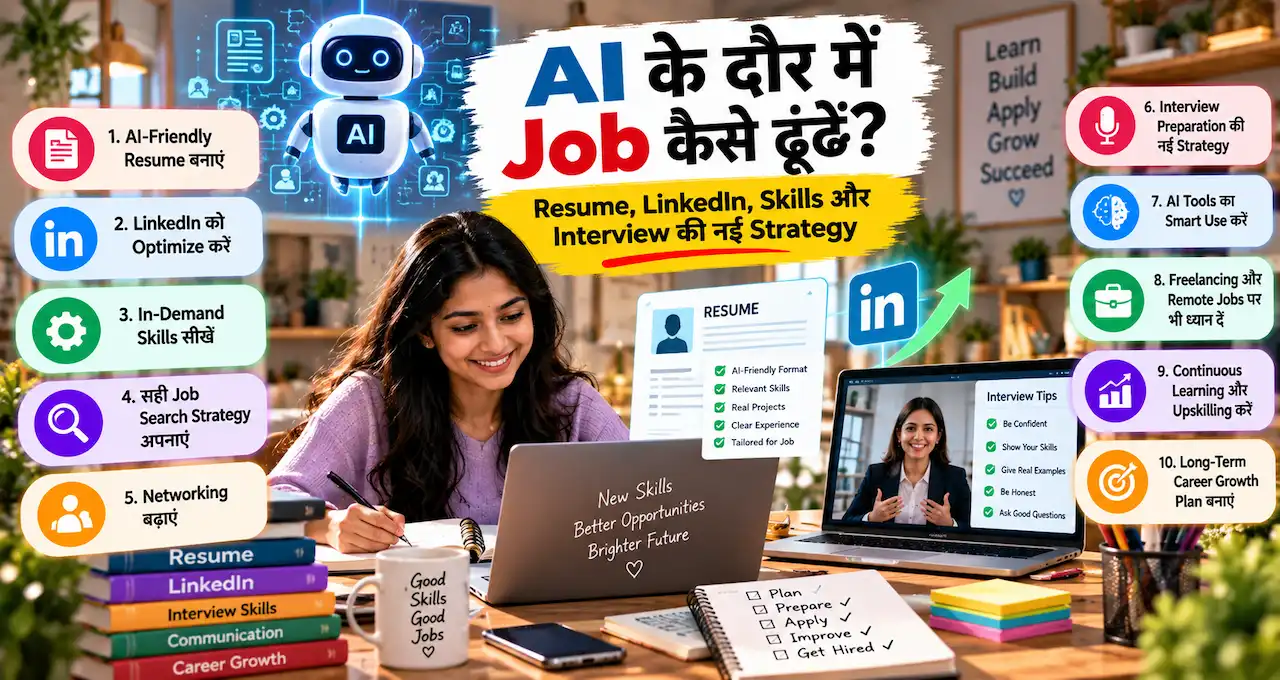
AI resume draft कर सकता है।
लेकिन job interview candidate को खुद देना होगा।
AI diagnosis suggestions generate कर सकता है।
लेकिन serious medical decision qualified doctor की responsibility है।
इसलिए future को सिर्फ़ “AI vs Human” के रूप में देखना शायद oversimplification होगा।
कई jobs में reality “Human + AI” हो सकती है।
किसी Tool को AI कैसे पहचानें?
हर software जो “smart” कहलाता है, जरूरी नहीं कि AI हो।
इन questions से broadly समझ सकते हैं:
क्या system data से patterns use करता है?
क्या अलग input पर flexible output देता है?
क्या prediction, recognition या generation करता है?
क्या language, image या audio जैसी complex information process करता है?
अगर system सिर्फ़ fixed rules follow करता है, तो वह simple automation भी हो सकता है।
AI label marketing में बहुत use होता है, इसलिए feature को समझना label से ज्यादा useful है।
AI सीखने के लिए Coding जरूरी है?
AI use करने के लिए coding जरूरी नहीं है।
अगर आपका goal है:
AI से writing.
Study.
Research assistance.
Business tasks.
Image generation.
Productivity.
तो बहुत सारे no-code AI tools available हैं।
लेकिन अगर आप AI engineering, Machine Learning development या model building में career बनाना चाहते हैं, तो programming, mathematics और data concepts important हो सकते हैं।
AI field बहुत broad है।
User बनना और AI engineer बनना दो अलग चीजें हैं।
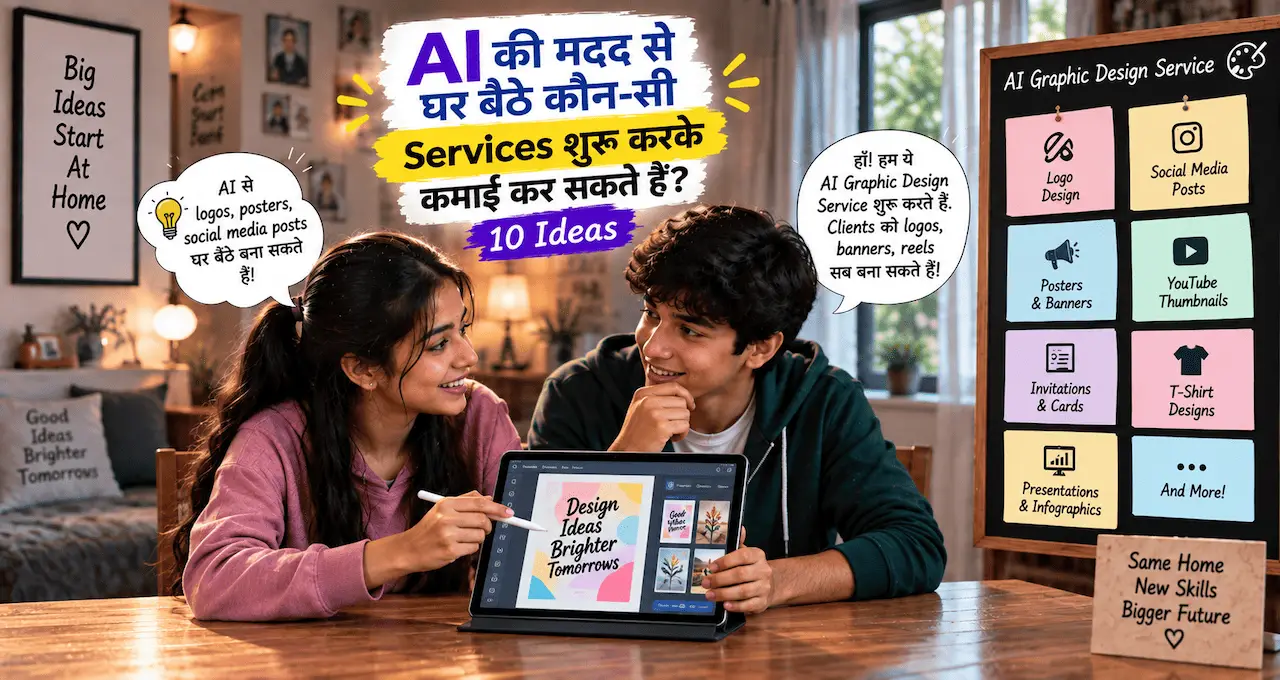
AI को सही तरीके से Use करने के 7 Simple Rules
Clear Prompt दें
AI को बताएं कि आपको exactly क्या चाहिए।
Context दें
Audience, goal और situation explain करें।
Important Facts Verify करें
Especially high-stakes information.
Sensitive Data न दें
Privacy maintain करें।
First Draft समझें
AI output को final truth न मानें।
Follow-up Questions पूछें
Better result के लिए conversation continue करें।
Human Judgement रखें
Final decision आपकी responsibility है।
इन habits से AI ज्यादा useful और safer बन सकता है।
AI सीखने का Simple Roadmap
अगर आप beginner हैं तो सारे technical terms एक साथ सीखने की जरूरत नहीं।
एक simple order follow करें:
Step 1: AI का Basic Meaning
AI क्या कर सकता है और क्या नहीं?
Step 2: Machine Learning
AI data से कैसे patterns सीखता है?
Step 3: Generative AI
Text, image और audio generation कैसे अलग हैं?
Step 4: LLM
ChatGPT जैसे language systems कैसे काम करते हैं?
Step 5: Prompting
AI से clear instructions कैसे दें।
Step 6: AI Agents
Multi-step AI workflows कैसे बन रहे हैं?
Step 7: Practical Use
अपने काम, study या business में AI कहाँ genuinely time बचा सकता है?
इस order में सीखने से buzzwords कम confusing लगेंगे।
आज से AI को कैसे समझना शुरू करें?
आज किसी complicated course की जरूरत नहीं।
एक AI tool खोलें और तीन अलग tasks दें।
पहला:
एक concept simple language में explain करवाएं।
दूसरा:
एक paragraph summarize करवाएं।
तीसरा:
किसी practical problem के लिए options मांगें।
फिर हर answer को blindly accept न करें।
Compare करें:
कौन-सा answer useful था?
कहाँ context कम था?
कहाँ fact verify करना पड़ा?
कहाँ AI ने assumption कर ली?
यही exercise आपको AI की strength और limitation दोनों समझा देगी।
AI समझने का सबसे अच्छा तरीका सिर्फ़ definitions पढ़ना नहीं, उसे thoughtfully use करना भी है।
आख़िर में एक छोटी सी बात
AI कोई magic box नहीं है।
और न ही हर AI system इंसान की तरह सोचता है।
Modern AI data, mathematical models और computing के जरिए patterns learn करता है और उन patterns से predictions या new content generate कर सकता है।
Machine Learning AI का important हिस्सा है।
Generative AI नया content बनाता है।
LLM language के साथ काम करता है।
AI Agent कई steps में tasks handle कर सकता है।
लेकिन चाहे technology कितनी भी advanced हो, important decisions में verification और human judgement जरूरी रहते हैं।
AI को लेकर डर या hype—दोनों से ज्यादा useful है इसे समझना।
AI क्या कर सकता है, कहाँ गलती कर सकता है और आपके काम में कहाँ genuinely useful है—यही तीन बातें clear हो जाएँ तो शुरुआत काफी strong हो जाती है।
AI के बारे में आपको सबसे ज्यादा curiosity किस चीज़ की है—ChatGPT कैसे जवाब देता है, Machine Learning कैसे सीखता है, AI Agents क्या कर सकते हैं या future में AI jobs को कैसे बदलेगा? अपनी राय, experience, feedback या सवाल comment में जरूर share करें।