















अगर आपने पिछले कुछ समय में AI के बारे में पढ़ा है, तो आपने Machine Learning (ML) का नाम ज़रूर सुना होगा।
आज जब भी Artificial Intelligence की बात होती है, वहाँ Machine Learning, Deep Learning, Neural Networks और Generative AI जैसे शब्द भी सामने आ जाते हैं। शुरुआत में ये सारे शब्द थोड़े confusing लग सकते हैं।
हमें भी जब AI और Machine Learning के बारे में समझना शुरू किया था, तब सबसे बड़ा सवाल यही था कि आख़िर AI और Machine Learning में फर्क क्या है?
क्या दोनों एक ही चीज़ हैं?
अगर Machine Learning AI का हिस्सा है, तो AI क्या होता है?
और सबसे important सवाल—Machine Learning आखिर काम कैसे करती है?
इसे समझने के लिए किसी मुश्किल technical definition की ज़रूरत नहीं है। आइए इसे रोज़मर्रा के आसान examples से समझते हैं।
Machine Learning क्या है?
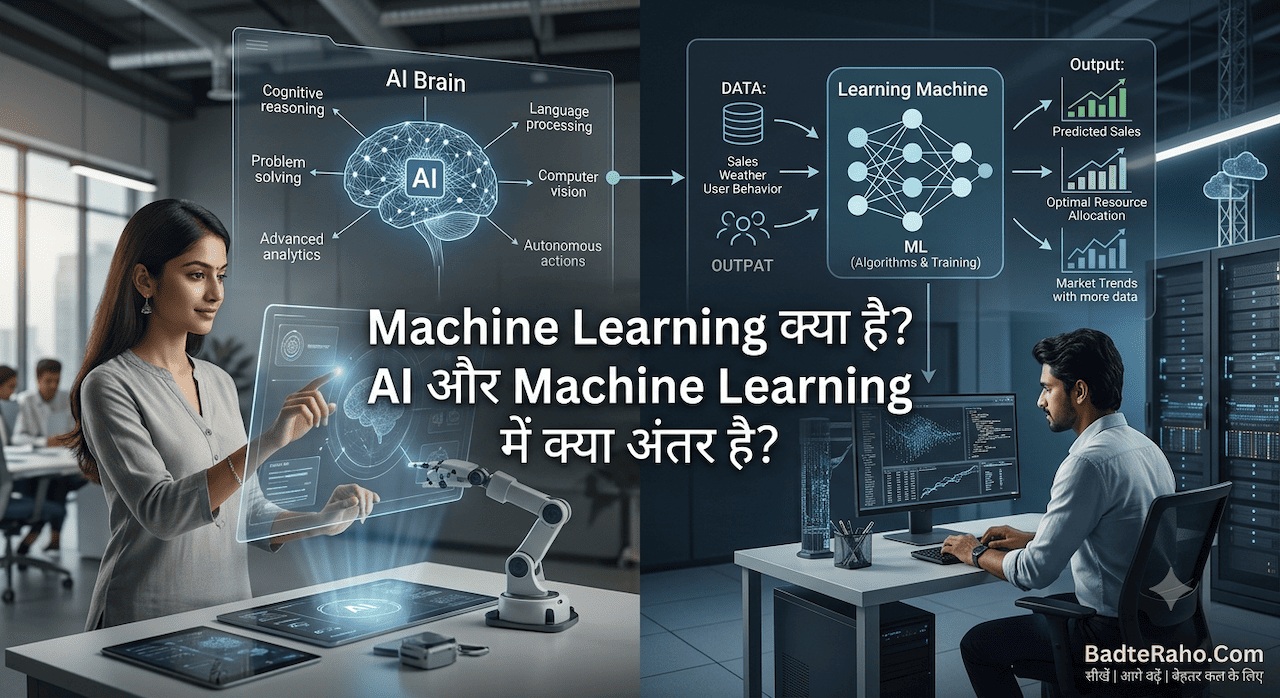
Machine Learning यानी ML, Artificial Intelligence की एक ऐसी branch है जिसमें computer systems data से patterns सीखकर predictions या decisions करने में सक्षम होते हैं।
आसान भाषा में कहें तो:
Computer को हर situation के लिए एक-एक rule बताने के बजाय उसे examples और data दिए जाते हैं, ताकि वह उनमें patterns पहचानना सीख सके।
यही Machine Learning का basic idea है।
मान लीजिए आप computer को हजारों ऐसी photos दिखाते हैं जिनमें कुछ photos पर “Cat” और कुछ पर “Dog” लिखा हुआ है।
Computer इन examples में मौजूद patterns को analyze करता है। Training के बाद जब उसे कोई नई photo दिखाई जाती है, तो वह अनुमान लगाने की कोशिश कर सकता है कि उसमें cat है या dog।
यानी हमने computer को हर possible photo का जवाब नहीं बताया।
हमने उसे examples दिए और patterns सीखने का मौका दिया।
एक आसान उदाहरण से Machine Learning समझिए
मान लीजिए किसी shopping website पर लाखों लोग अलग-अलग products खरीदते हैं।
कुछ लोग:
- Mobile खरीदते हैं
- उसके बाद cover खरीदते हैं
- फिर screen protector लेते हैं
दूसरे लोग:
- Laptop खरीदते हैं
- फिर laptop bag लेते हैं
- उसके बाद wireless mouse खरीदते हैं
Website के पास इस तरह का बहुत सारा historical data है।
Machine Learning algorithms इस data में patterns ढूँढ सकते हैं।
इसके आधार पर website आपको suggest कर सकती है:
“आपको ये product भी पसंद आ सकता है।”
यही वजह है कि जब आप Amazon, YouTube, Netflix या किसी दूसरे platform का इस्तेमाल करते हैं, तो आपको recommendations दिखाई देती हैं।
हर recommendation के पीछे Machine Learning ही हो, यह ज़रूरी नहीं है, लेकिन recommendation systems में ML का इस्तेमाल एक common example है।
AI क्या है?
अब Machine Learning समझने के बाद AI को समझना आसान हो जाता है।
AI यानी Artificial Intelligence एक broader concept है।
इसका उद्देश्य ऐसे computer systems बनाना है जो ऐसे काम कर सकें जिनमें आमतौर पर human intelligence की जरूरत पड़ती है।
जैसे:
- चीज़ों को समझना
- language process करना
- patterns पहचानना
- decisions में मदद करना
- problems solve करना
- images को analyze करना
- recommendations देना
- content generate करना
यानी AI एक बड़ा umbrella है।
Machine Learning उस umbrella के अंदर आने वाली एक important technology है।
AI और Machine Learning में क्या अंतर है?
इसे एक line में समझना हो तो:
AI एक बड़ा concept है, जबकि Machine Learning AI को बनाने का एक प्रमुख तरीका है।
इसे इस तरह समझिए:
Artificial Intelligence
↓
Machine Learning
↓
Deep Learning
यह बिल्कुल strict hierarchy नहीं है कि AI के अंदर हर चीज़ इसी क्रम में आती है, लेकिन beginner के लिए relationship समझने का यह आसान तरीका है।
AI vs Machine Learning: आसान Comparison
| AI | Machine Learning |
|---|---|
| AI एक broad concept है | ML AI की एक branch है |
| इसका उद्देश्य intelligent behavior वाले systems बनाना है | Data से patterns सीखना इसका प्रमुख तरीका है |
| इसमें अलग-अलग techniques इस्तेमाल हो सकती हैं | इसमें algorithms data से सीखते हैं |
| AI में ML का इस्तेमाल हो सकता है | ML को AI applications में इस्तेमाल किया जा सकता है |
| AI का scope बहुत बड़ा है | ML का scope AI की तुलना में specific है |
इसलिए अगर कोई पूछे:
“क्या AI और Machine Learning एक ही हैं?”
तो जवाब होगा:
नहीं। Machine Learning, AI का एक महत्वपूर्ण हिस्सा है।
Machine Learning कैसे काम करती है?
Machine Learning को समझने के लिए इसका basic process देखना सबसे आसान रहेगा।
1. Data इकट्ठा किया जाता है
सबसे पहले system को data चाहिए।
यह data हो सकता है:
- Text
- Images
- Videos
- Numbers
- Customer information
- Transactions
- Sensor data
Data जितना relevant और useful होगा, model को सीखने में उतनी मदद मिल सकती है।
2. Data को तैयार किया जाता है
Raw data हमेशा सीधे Machine Learning model में नहीं डाला जाता।
उसमें missing values, duplicate information, गलत entries या irrelevant information हो सकती है।
इसलिए data को clean और prepare किया जाता है।
इसे Data Preprocessing कहा जाता है।
3. Algorithm चुना जाता है
अब problem के हिसाब से Machine Learning algorithm चुना जाता है।
उदाहरण के लिए:
- Linear Regression
- Logistic Regression
- Decision Tree
- Random Forest
- Support Vector Machine
- Neural Networks
हर problem के लिए एक ही algorithm सही नहीं होता।
4. Model को Train किया जाता है
अब training data model को दिया जाता है।
Model data में patterns और relationships को सीखने की कोशिश करता है।
इसी process को Training कहते हैं।
5. Model को Test किया जाता है
Training के बाद model को ऐसे data पर test किया जाता है जिसे उसने पहले नहीं देखा।
इससे पता चलता है कि model नए data पर कितना अच्छा perform कर रहा है।
6. Prediction की जाती है
अगर model ठीक से trained है, तो वह नए data के आधार पर prediction कर सकता है।
उदाहरण के लिए:
“यह transaction suspicious हो सकता है।”
या
“इस customer के इस product को खरीदने की संभावना अधिक है।”
या
“कल की demand लगभग इतनी हो सकती है।”
यही Machine Learning की practical power है।
Machine Learning के मुख्य प्रकार कौन-से हैं?
Machine Learning को broadly अलग-अलग approaches में समझा जाता है।
Beginner के लिए तीन सबसे important categories हैं:
- Supervised Learning
- Unsupervised Learning
- Reinforcement Learning
आइए इन्हें आसान examples से समझते हैं।
1. Supervised Learning क्या है?
Supervised Learning में model को input के साथ सही output वाले examples दिए जाते हैं।
मान लीजिए आपके पास घरों का data है:
- Area
- Location
- Number of rooms
- Age of property
- और उसका actual price
Model इन examples से relationship सीख सकता है।
इसके बाद जब आप किसी नए घर का data देंगे, तो model उसके price का अनुमान लगाने की कोशिश कर सकता है।
इसी तरह email spam detection भी एक example हो सकता है।
Model को पहले से labeled examples दिए जा सकते हैं:
Spam
और
Not Spam
फिर model नए email को classify करने की कोशिश करता है।
2. Unsupervised Learning क्या है?
यहाँ situation थोड़ी अलग होती है।
Data में पहले से सही answer या label नहीं दिया जाता।
Model खुद data में patterns या groups ढूँढने की कोशिश करता है।
उदाहरण के लिए किसी shopping company के पास लाखों customers का data है।
कंपनी ने customers को पहले से groups में नहीं बाँटा है।
Machine Learning system उनके shopping behavior को देखकर कुछ groups identify कर सकता है।
जैसे:
- Frequently buying customers
- Discount-focused customers
- Premium products खरीदने वाले customers
इसे Clustering जैसी techniques के जरिए किया जा सकता है।
3. Reinforcement Learning क्या है?
Reinforcement Learning थोड़ा अलग तरीके से काम करती है।
इसमें system actions लेता है और अपने actions के परिणामों से सीखता है।
इसे आप एक game खेलने वाले system से समझ सकते हैं।
अगर system ने ऐसा move किया जिससे उसे reward मिला, तो वह उस तरह के behavior को दोहराने की कोशिश कर सकता है।
अगर गलत action पर reward नहीं मिला या penalty मिली, तो system strategy बदल सकता है।
Reinforcement Learning का इस्तेमाल research, robotics, games और कुछ complex decision-making problems में किया जाता है।
Machine Learning और Deep Learning में क्या अंतर है?
AI के साथ एक और शब्द अक्सर सुनने को मिलता है—Deep Learning।
Deep Learning, Machine Learning का एक specialized approach है जो neural networks की multiple layers का इस्तेमाल करता है।
आसान तरीके से:
AI → बड़ा concept
Machine Learning → AI की एक प्रमुख branch
Deep Learning → Machine Learning का एक specialized हिस्सा
Deep Learning का इस्तेमाल images, speech, language और कई complex AI problems में किया जाता है।
आज के कई advanced AI systems में Deep Learning की महत्वपूर्ण भूमिका है।
ChatGPT का Machine Learning से क्या संबंध है?
यह भी एक interesting सवाल है।
जब आप ChatGPT जैसे AI system से बात करते हैं, तो आपको ऐसा लगता है कि वह बस आपके सवाल का जवाब दे रहा है।
लेकिन इसके पीछे बहुत बड़े Machine Learning और Deep Learning models काम करते हैं।
Large Language Models को बहुत बड़ी मात्रा में text data पर train किया जाता है। Training के दौरान model language में मौजूद patterns को सीखता है।
बाद में वही model आपके input के आधार पर appropriate response generate करने की कोशिश करता है।
Generative AI को और आसान भाषा में समझने के लिए आप हमारा यह article पढ़ सकते हैं:
Generative AI क्या है? ChatGPT और दूसरे AI Tools कैसे काम करते हैं?
क्या Machine Learning खुद से सोचती है?
यहाँ थोड़ा सावधान रहना ज़रूरी है।
जब हम कहते हैं कि machine “सीखती” है, तो इसका मतलब इंसान की तरह consciousness या समझ विकसित करना नहीं है।
Machine Learning model data में mathematical patterns और relationships सीखता है।
इसलिए “machine सीख रही है” का आसान explanation समझना चाहिए।
वास्तव में model statistical और computational techniques के जरिए patterns को represent करता है और उन्हीं के आधार पर prediction या output देता है।
Machine Learning के Real-Life Examples
हो सकता है आपको पता भी न हो कि आप रोज़ Machine Learning आधारित systems का इस्तेमाल करते हैं।
YouTube Recommendations
आपको कौन-से videos पसंद आ सकते हैं, इसका अनुमान लगाने में recommendation systems मदद करते हैं।
Spam Detection
Email में unwanted या suspicious messages को identify करने में ML techniques का इस्तेमाल हो सकता है।
Online Shopping
आपके browsing और purchase behavior के आधार पर products recommend किए जा सकते हैं।
Fraud Detection
Banking और payment systems suspicious transaction patterns identify करने के लिए Machine Learning का इस्तेमाल कर सकते हैं।
अगर आप digital payments और safety के बारे में सीखना चाहते हैं, तो हमारा UPI Scam से कैसे बचें? article भी पढ़ सकते हैं।
Maps और Navigation
Traffic patterns और historical data के आधार पर estimated travel time और routes को improve किया जा सकता है।
Face Recognition
Images और videos में patterns identify करने के लिए computer vision और Machine Learning techniques का इस्तेमाल किया जा सकता है।
Machine Learning कहाँ-कहाँ इस्तेमाल होती है?
Machine Learning अब सिर्फ़ technology companies तक सीमित नहीं है।
इसका इस्तेमाल अलग-अलग industries में हो रहा है।
Banking और Finance
- Fraud detection
- Risk analysis
- Credit assessment
- Transaction monitoring
Healthcare
- Medical image analysis
- Research
- Risk prediction
- Drug discovery
E-commerce
- Product recommendations
- Demand forecasting
- Customer segmentation
Manufacturing
- Predictive maintenance
- Quality inspection
- Production optimization
Education
- Personalized learning
- Student performance analysis
- Recommendation systems
Marketing
- Customer segmentation
- Ad optimization
- Recommendation
- Demand prediction
यानी Machine Learning का scope काफी बड़ा है।
Machine Learning सीखने के लिए क्या-क्या आना चाहिए?
अगर आप student हैं और Machine Learning सीखना चाहते हैं, तो शुरुआत में आपको बहुत सारी चीज़ें एक साथ सीखने की ज़रूरत नहीं है।
सबसे पहले foundation मजबूत करें।
1. Python
Machine Learning सीखने के लिए Python एक popular programming language है।
2. Mathematics
Basic:
- Statistics
- Probability
- Linear Algebra
समझना काफी useful रहेगा।
3. Data Handling
आपको data को पढ़ना, clean करना और analyze करना आना चाहिए।
4. Machine Learning Algorithms
इसके बाद basic algorithms समझें।
5. Model Evaluation
सिर्फ़ model बनाना पर्याप्त नहीं है।
आपको यह भी समझना होगा कि model अच्छा perform कर रहा है या नहीं।
6. Projects
यही सबसे important हिस्सा है।
छोटे projects बनाइए।
उदाहरण:
- House price prediction
- Spam email classifier
- Customer segmentation
- Recommendation system
- Simple image classifier
Projects से theory practical बनती है।
क्या Machine Learning सीखने के लिए बहुत ज्यादा Maths चाहिए?
यह आपके career goal पर depend करता है।
अगर आप सिर्फ़ Machine Learning की basic understanding चाहते हैं, तो advanced mathematics से शुरुआत करने की जरूरत नहीं है।
लेकिन अगर आपका लक्ष्य:
- ML Engineer
- Data Scientist
- AI Researcher
- Deep Learning Engineer
जैसे technical roles हैं, तो mathematics और statistics की मजबूत understanding काफी useful होगी।
इसलिए शुरुआत में Maths से डरने की जरूरत नहीं है।
पहले basic concepts समझिए, फिर धीरे-धीरे advanced topics पर जाइए।
क्या AI सीखने से पहले Machine Learning सीखना जरूरी है?
नहीं, यह पूरी तरह जरूरी नहीं है।
अगर आप सिर्फ़ AI tools का practical इस्तेमाल सीखना चाहते हैं, तो आपको पहले Machine Learning algorithms सीखने की ज़रूरत नहीं है।
उदाहरण के लिए, कोई student ChatGPT, image generation tools या AI productivity tools का इस्तेमाल बिना ML equations सीखे कर सकता है।
लेकिन अगर आप AI/ML में technical career बनाना चाहते हैं, तो Machine Learning fundamentals सीखना बहुत useful होगा।
यानी आपका goal तय करेगा कि आपको कितनी depth में जाना है।
AI, Machine Learning और Generative AI को एक साथ कैसे समझें?
इसे एक simple example से समझिए।
AI एक बड़ा field है।
इसके अंदर Machine Learning जैसी approaches आती हैं।
Machine Learning data से patterns सीखने की approach है।
इसके अंदर Deep Learning जैसी techniques आती हैं।
और Deep Learning ने modern Generative AI और Large Language Models जैसे systems को develop करने में महत्वपूर्ण भूमिका निभाई है।
इसलिए जब कोई कहता है:
“मैं AI सीख रहा हूँ।”
तो अगला सवाल होना चाहिए:
“AI के किस हिस्से पर?”
क्योंकि AI बहुत बड़ा field है।
Machine Learning का Future कैसा है?
Machine Learning आने वाले समय में AI ecosystem का एक important हिस्सा बनी रहने वाली technology है।
लेकिन technology तेजी से बदल रही है।
कुछ साल पहले Machine Learning सीखने वाले व्यक्ति का focus traditional ML algorithms पर ज्यादा हो सकता था।
आज उसी व्यक्ति के लिए:
- Generative AI
- LLMs
- RAG
- AI Agents
- Model Deployment
- MLOps
जैसी technologies को समझना भी useful हो सकता है।
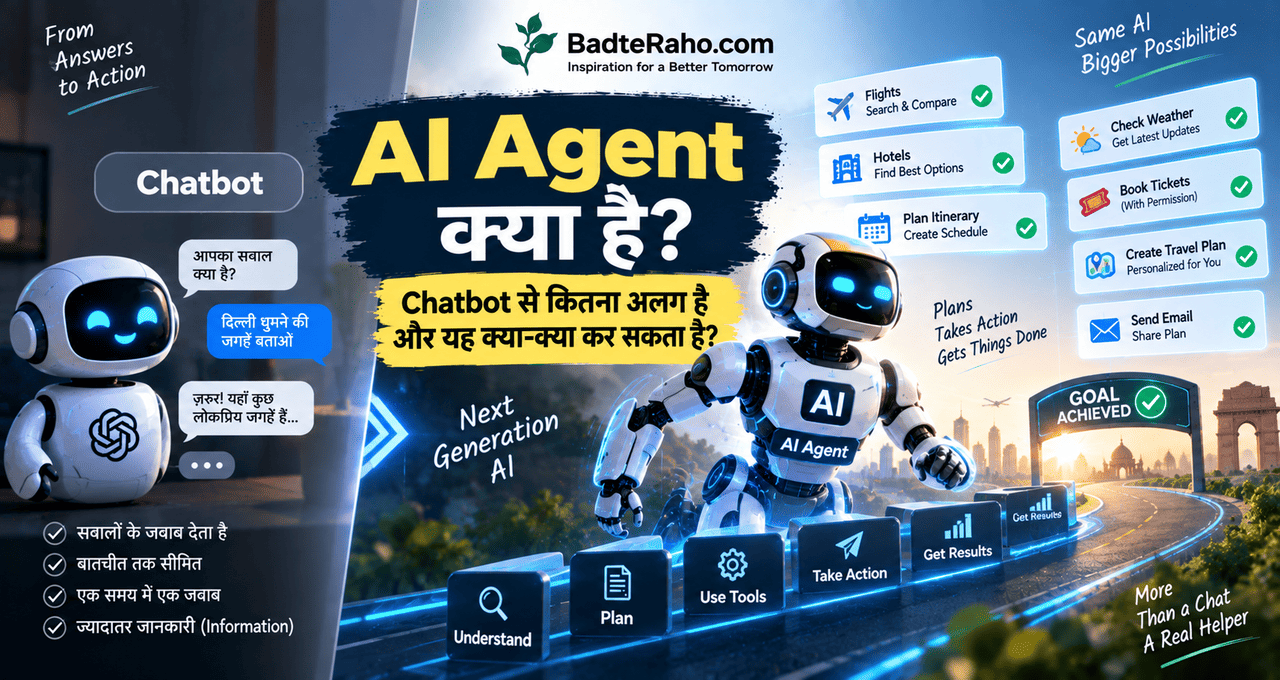
अगर आप AI Agents के बारे में जानना चाहते हैं, तो हमारा AI Agent क्या है? Chatbot से कितना अलग है? article पढ़ सकते हैं।
और अगर आपका सवाल है कि AI के कारण jobs पर क्या असर पड़ेगा, तो AI से नौकरी जाएगी या नई Jobs बनेंगी? भी आपके लिए useful रहेगा।
Machine Learning सीखने वाले Students के लिए हमारी सलाह
अगर आप अभी student हैं, तो सिर्फ़ यह सोचकर Machine Learning शुरू न करें कि इसमें अच्छी salary मिलती है।
पहले यह समझिए कि आपको technology में interest है या नहीं।
फिर धीरे-धीरे:
Python → Maths & Statistics → Data → ML → Projects → Specialization
का रास्ता अपनाया जा सकता है।
इसके बाद आप अपनी रुचि के अनुसार:
- Data Science
- Machine Learning
- Generative AI
- Computer Vision
- NLP
- AI Engineering
में आगे बढ़ सकते हैं।
AI Career और अलग-अलग AI roles के बारे में हमने AI में Career कैसे बनाएं? में भी विस्तार से बात की है।
Common Mistakes: Machine Learning सीखते समय ये गलतियाँ न करें
सिर्फ़ Videos देखते रहना
Videos देखकर लगता है कि सब समझ आ गया।
लेकिन जब खुद code लिखने बैठते हैं, तब असली challenge सामने आता है।
इसलिए practice ज़रूरी है।
हर Technology एक साथ सीखना
Python, TensorFlow, PyTorch, LLM, RAG, Computer Vision—सब एक साथ शुरू करने की जरूरत नहीं है।
एक roadmap बनाइए।
Maths से पूरी तरह भागना
Basic mathematics को ignore करने से आगे चलकर concepts समझने में परेशानी हो सकती है।
Projects को Ignore करना
Certificate से ज्यादा useful यह है कि आप अपना project explain कर सकें।
सिर्फ़ Salary के पीछे जाना
AI में career opportunities हैं, लेकिन हर role की salary और requirements अलग होती हैं।
पहले skill बनाइए, फिर specialization चुनिए।
Action Plan: Machine Learning सीखना शुरू करना है तो क्या करें?
अगर आप beginner हैं, तो आप यह simple roadmap रख सकते हैं:
Step 1: Python basics सीखें।
Step 2: Basic Maths और Statistics समझें।
Step 3: Data handling सीखें।
Step 4: Machine Learning के basic concepts पढ़ें।
Step 5: छोटे ML projects बनाएं।
Step 6: Model evaluation समझें।
Step 7: फिर Deep Learning या Generative AI जैसी specialization चुनें।
Step 8: अपने projects का portfolio बनाएं।
सबसे important बात—सीखते समय हर concept को किसी real problem से जोड़ने की कोशिश करें।
BadteRaho Tip
Machine Learning को याद रखने का सबसे आसान तरीका है:
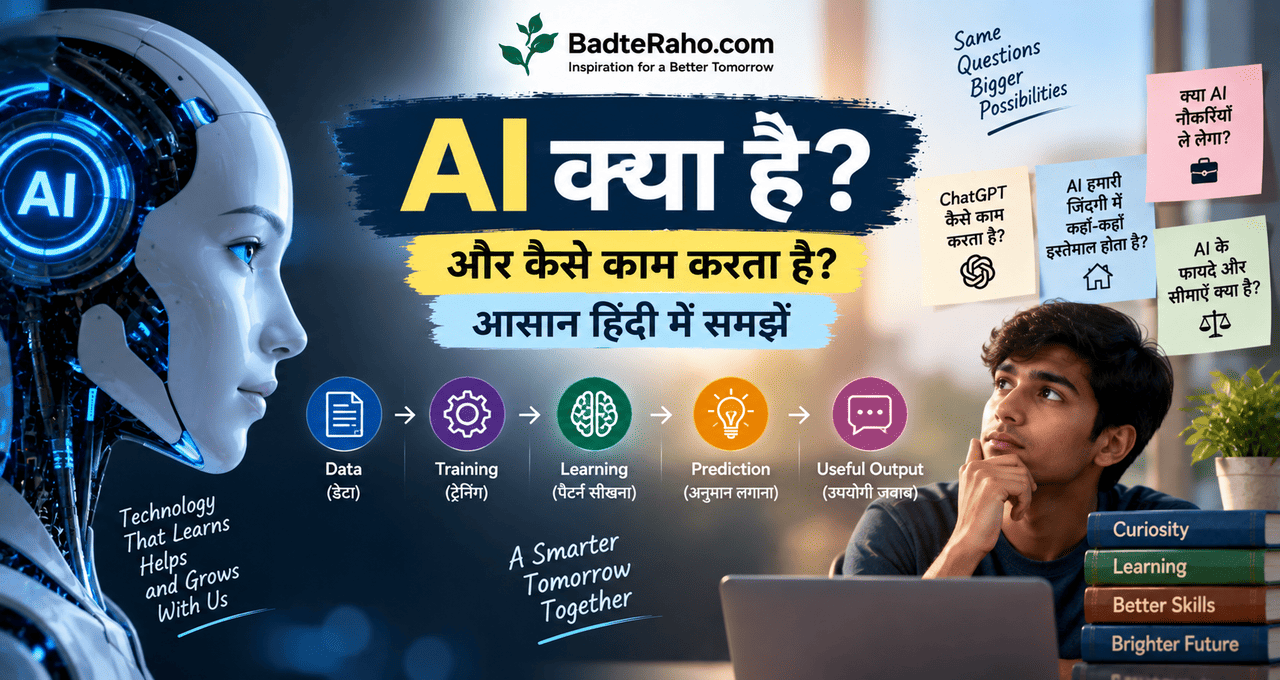
Data → Pattern → Learning → Prediction
Computer को data मिलता है।
वह उसमें patterns identify करता है।
Model उन patterns से सीखता है।
फिर नए data पर prediction करने की कोशिश करता है।
बस, Machine Learning का basic idea आपके दिमाग में बैठ गया।
और AI को इससे जोड़कर याद रखें:
AI बड़ा field है, Machine Learning उसका एक महत्वपूर्ण हिस्सा है।
आख़िर में एक छोटी सी बात
AI के बारे में पढ़ते समय Machine Learning शब्द बार-बार सामने आएगा। इसलिए शुरुआत में ही दोनों के बीच का difference समझ लेना काफी useful है।
AI का मतलब सिर्फ़ Machine Learning नहीं है और Machine Learning का मतलब भी सिर्फ़ ChatGPT या Generative AI नहीं है।
Machine Learning एक ऐसी approach है जिसमें computers data और examples से patterns सीखकर predictions या decisions करने की कोशिश करते हैं। इसी technology ने आज के कई recommendation systems, fraud detection systems, image recognition applications और modern AI applications को संभव बनाने में महत्वपूर्ण भूमिका निभाई है।
अगर आप AI Career की तरफ जाना चाहते हैं, तो Machine Learning के fundamentals को समझना आपके लिए एक मजबूत foundation बन सकता है।
और अगर आप सिर्फ़ AI tools का इस्तेमाल करना चाहते हैं, तब भी Machine Learning की basic understanding आपको यह समझने में मदद करेगी कि AI systems आखिर करते क्या हैं और उनकी limitations कहाँ होती हैं।
आपको ये लेख कैसा लगा, हमें कमेंट करके ज़रूर बताएँ। अगर आपके पास भी कोई लेख, कहानी या कविता है, तो आप उसे हमें badteraho@gmail.com पर भेज सकते हैं। पसंद आने पर हम आपके लेख को आपके नाम के साथ BadteRaho.Com पर प्रकाशित करेंगे।
Keywords: Machine Learning क्या है, Machine Learning in Hindi, Machine Learning क्या होता है, AI और Machine Learning में अंतर, Artificial Intelligence vs Machine Learning, AI vs ML, Machine Learning कैसे काम करती है, Machine Learning के प्रकार, Supervised Learning क्या है, Unsupervised Learning क्या है, Reinforcement Learning क्या है, Deep Learning क्या है, Machine Learning examples, Machine Learning के उपयोग, Machine Learning कैसे सीखें, Machine Learning for beginners, AI और ML difference, Machine Learning career, Machine Learning skills, AI basics, Artificial Intelligence in Hindi