


















एक नया food delivery app बनाना मुश्किल business हो सकता है।
लेकिन ऐसी battery बनाना जो ज्यादा energy store करे, नया semiconductor design करना, cancer detection की technology develop करना या satellite propulsion system तैयार करना बिल्कुल अलग तरह की challenge है।
यहीं DeepTech सामने आता है।
DeepTech में innovation सिर्फ़ नए app, website या feature तक limited नहीं रहती। इसके पीछे अक्सर science, engineering, laboratories, specialised talent और कई सालों की research होती है।
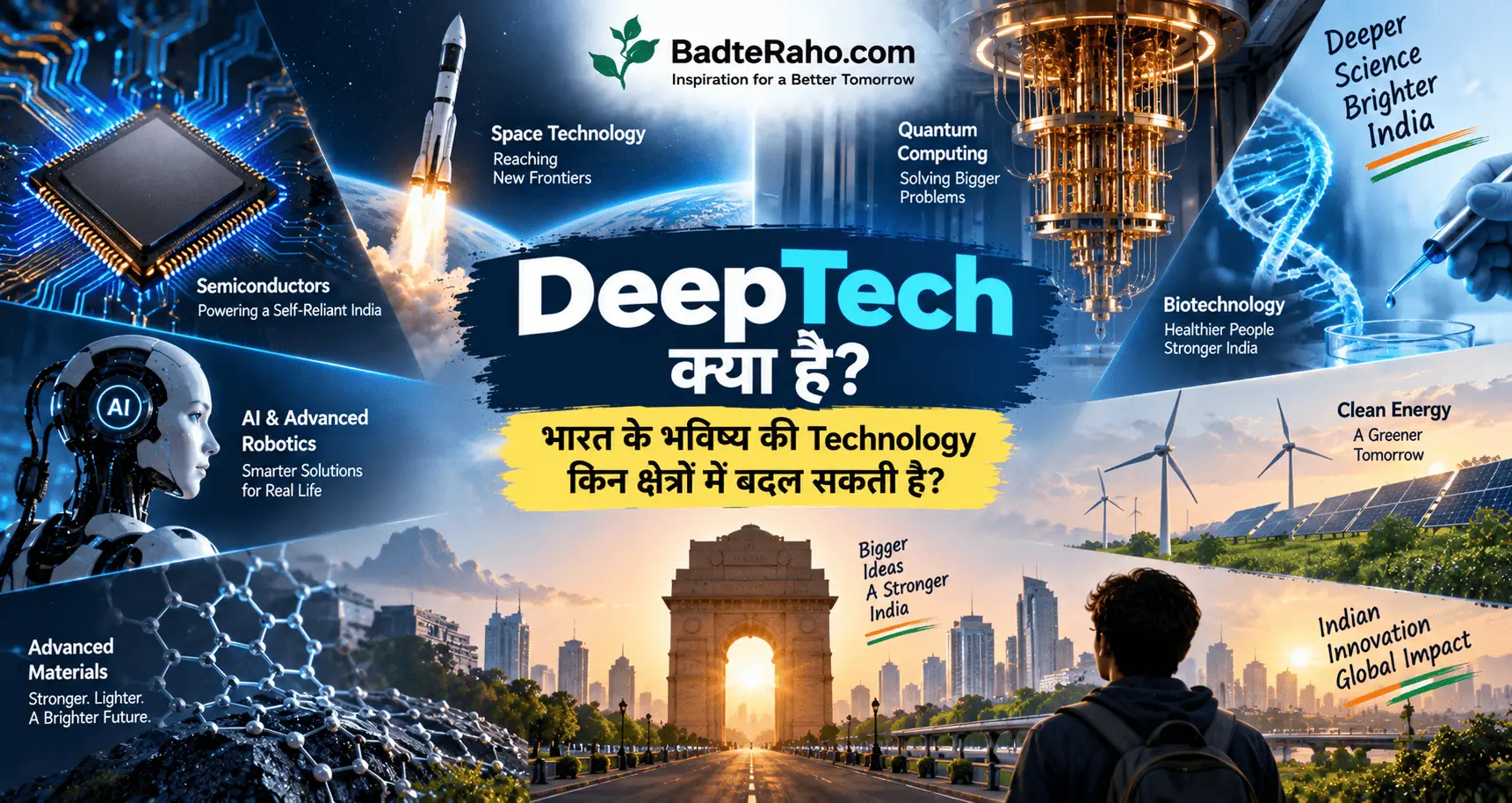
AI से लेकर robotics, space, biotech और clean energy तक—आने वाले समय की कई बड़ी technologies इसी दुनिया का हिस्सा हैं।
इस लेख में आप क्या सीखेंगे?
- DeepTech का असली मतलब
- Normal Tech से फर्क
- Research क्यों जरूरी
- 7 Future Technologies
- India की Opportunities
- DeepTech Startup Challenges
- Career के नए रास्ते
- Hype कैसे पहचानें
DeepTech क्या है?
DeepTech यानी Deep Technology ऐसी technologies और businesses को broadly describe करता है जिनकी foundation strong scientific research, engineering innovation या किसी मुश्किल technical problem पर होती है।
Simple example से समझें।
एक startup existing software tools का use करके restaurant booking app बनाता है।
दूसरा startup ऐसी नई battery chemistry develop कर रहा है जो electric vehicle की range बढ़ा सके।
दोनों technology companies हो सकती हैं, लेकिन दूसरी company का काम DeepTech के ज्यादा करीब है क्योंकि उसके product की foundation original scientific और engineering work पर है।
DeepTech के common examples हो सकते हैं:
- Artificial Intelligence
- Robotics
- Semiconductors
- Quantum Technology
- Biotechnology
- Space Technology
- Clean Energy
- Advanced Materials
DeepTech का असली सवाल यह नहीं है कि product कितना futuristic दिखाई देता है।
सवाल है—उसके पीछे कितनी मुश्किल technical problem solve की जा रही है।
DeepTech और Normal Tech में क्या फर्क है?
हर useful technology DeepTech नहीं होती।
मान लीजिए किसी company ने grocery delivery के लिए शानदार app बनाया।
उसमें अच्छा design, fast delivery system और smart marketing हो सकते हैं।
लेकिन अगर वह mostly existing technologies को combine कर रही है, तो उसका main advantage business execution हो सकता है।
दूसरी तरफ कोई company warehouse के लिए ऐसा autonomous robot develop कर रही है जो cameras, sensors, AI और mechanical systems की मदद से independently सामान move कर सके।
यहाँ challenge सिर्फ़ software interface नहीं है।
Company को solve करना होगा:
Hardware कैसे बनेगा?
Robot environment कैसे समझेगा?
Obstacle कैसे avoid करेगा?
Battery कितनी चलेगी?
Safety कैसे ensure होगी?
Large scale पर manufacture कैसे होगा?
यही deeper technical layer DeepTech को अलग बनाती है।
DeepTech बनाना इतना मुश्किल क्यों होता है?
DeepTech में idea और usable product के बीच की दूरी अक्सर बहुत ज्यादा होती है।
एक mobile app का early version कुछ महीनों में बन सकता है।
लेकिन नई medical technology, chip, robot या battery को research, prototype, testing और approvals में काफी समय लग सकता है।
DeepTech companies को अक्सर चार बड़ी challenges face करनी पड़ती हैं:
Research Risk: Technology technically काम करेगी या नहीं, शुरुआत में guarantee नहीं होती।
Capital: Labs, equipment, specialised engineers और testing expensive हो सकते हैं।
Time: Commercial product बनने में कई साल लग सकते हैं।
Scale: Laboratory में successful prototype को mass production तक ले जाना अलग challenge है।
इसीलिए DeepTech में सिर्फ़ अच्छा business idea काफी नहीं होता।
Strong science और strong execution दोनों चाहिए।
1. Artificial Intelligence और Machine Learning
AI आज सबसे visible technology trends में से एक है, लेकिन DeepTech में इसका role सिर्फ़ chatbot तक limited नहीं है।
Advanced AI systems का use medical imaging, industrial automation, autonomous vehicles, satellite data analysis, fraud detection, drug discovery और robotics जैसे areas में हो सकता है।
Machine Learning AI का important हिस्सा है, जहाँ systems data से patterns सीखते हैं और prediction या decision support दे सकते हैं।
उदाहरण के लिए, factory में लगे sensors लगातार machines का data collect कर रहे हैं।
AI उस data से ऐसे patterns पहचान सकता है जो machine failure से पहले दिखाई देते हैं। इससे maintenance पहले की जा सकती है।
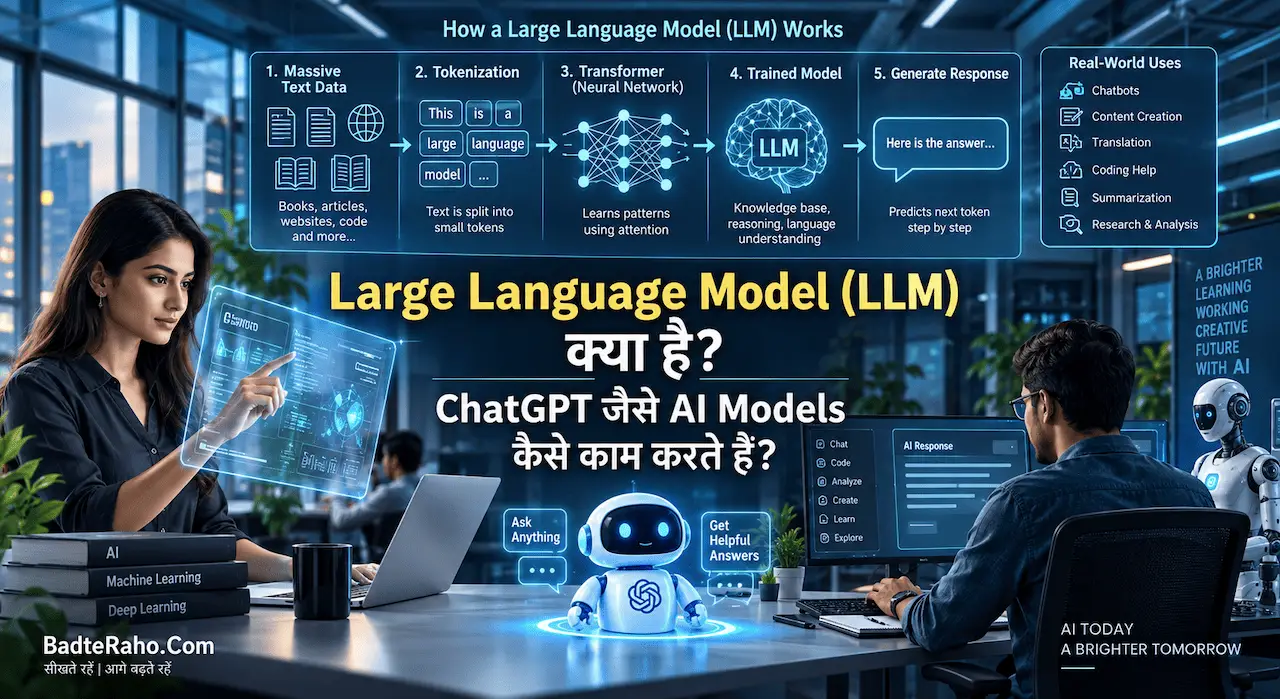
AI की foundation समझनी हो तो AI क्या है और कैसे काम करता है? Machine Learning से Generative AI तक आसान Guide useful रहेगा।
और AI तथा ML के फर्क के लिए Machine Learning क्या है? AI और Machine Learning में क्या अंतर है? पढ़ सकते हैं।
2. Robotics और Autonomous Systems
Robot का मतलब सिर्फ़ इंसान जैसा humanoid robot नहीं है।
Factory में सामान उठाने वाली robotic arm भी robot है।
Warehouse में box move करने वाली machine भी।
Agriculture drone, inspection robot और autonomous vehicle भी इसी broader field का हिस्सा हो सकते हैं।
Robotics में कई technologies साथ आती हैं:
- Mechanical engineering
- Electronics
- Sensors
- Computer vision
- AI
- Control systems
- Software
Advanced robot को सिर्फ़ movement नहीं करनी होती।
उसे environment समझना, decision लेना और safe तरीके से काम भी करना पड़ सकता है।
Manufacturing, logistics, agriculture, healthcare और dangerous industrial environments में robotics का role आगे और बढ़ सकता है।
इसका मतलब हर जगह इंसानों को replace करना नहीं है। कई use cases में robot उन tasks को handle कर सकता है जो repetitive, risky या बहुत precise हैं।
3. Semiconductor Technology
आज के smartphone से लेकर car, laptop, medical equipment और data centre तक—लगभग हर modern electronic system chips पर depend करता है।
Semiconductor technology इसलिए सिर्फ़ gadgets की story नहीं है।
यह modern digital economy की foundation है।
Chip ecosystem में कई layers होती हैं:
Chip design.
Fabrication.
Specialised manufacturing equipment.
Materials.
Packaging.
Testing.
Design software.
हर company chip factory नहीं बनाती। कुछ design पर focus करती हैं, कुछ manufacturing पर और कुछ specialised components पर।
AI की growth ने भी powerful computing hardware की importance बढ़ा दी है।
Large AI models को train और run करने के लिए advanced processors और accelerators की जरूरत होती है।
इसलिए future AI सिर्फ़ software पर depend नहीं करेगा।
Chips, electricity, networking और data centres भी equally important होंगे।
4. Quantum Technology
Quantum technology future technology discussions में सबसे ज्यादा misunderstood areas में से एक है।
Quantum computer को simply “बहुत fast computer” कहना सही नहीं होगा।
Traditional computers bits के साथ काम करते हैं, जबकि quantum computing qubits और quantum mechanics के principles का use करती है।
इसका potential कुछ specialised problems में देखा जाता है, जैसे:
Scientific simulations.
Materials research.
Certain optimisation problems.
Molecule modelling.
Cryptography-related research.
लेकिन quantum का मतलब यह नहीं है कि अगले कुछ वर्षों में normal laptops खत्म हो जाएंगे।
Technology अभी difficult engineering challenges से गुजर रही है।
Quantum communication और quantum sensing भी इस broader field के important parts हैं।
DeepTech में यही difference समझना जरूरी है—future potential और present reality एक ही चीज नहीं हैं।
5. Biotechnology और HealthTech
DeepTech सिर्फ़ computer science का क्षेत्र नहीं है।
Biotechnology biology, medicine और technology को combine करके नई possibilities create करती है।
इसके applications broadly हो सकते हैं:
Disease diagnostics.
Drug discovery.
Genetic analysis.
Precision medicine research.
Bio-manufacturing.
Agricultural biotechnology.
यहाँ AI का role भी बढ़ सकता है।
AI बड़ी biological datasets analyze करने, patterns पहचानने या research process को support करने में मदद कर सकता है।
लेकिन healthcare में accuracy और evidence बहुत important होते हैं।
कोई AI prediction या laboratory result automatically medical truth नहीं बन जाता।
Clinical testing, regulation और qualified professionals की भूमिका बनी रहती है।
यही DeepTech की reality है—innovation powerful हो सकती है, लेकिन उसे real world में reliable और safe भी साबित करना पड़ता है।
6. Space Technology
कुछ समय पहले तक space technology mainly national space agencies से जुड़ी हुई दिखाई देती थी।
अब private companies भी satellites, launch systems, communication, earth observation और space data जैसी opportunities explore कर रही हैं।
SpaceTech का फायदा सिर्फ़ Moon या Mars missions में नहीं है।
Satellite technology daily life में भी useful हो सकती है:
Navigation.
Weather monitoring.
Communication.
Agriculture mapping.
Disaster management.
Earth observation.
Infrastructure monitoring.
SpaceTech में hardware और software दोनों opportunities हैं।
Satellite से data collect होता है और AI उस data को analyse कर सकता है।
यानी कई DeepTech fields एक-दूसरे से जुड़ रही हैं।
SpaceTech की challenge यह है कि failure बहुत costly हो सकता है। Satellite launch होने के बाद hardware repair करना normal software update जितना आसान नहीं होता।
इसलिए testing और reliability बहुत important होती हैं।
7. Clean Energy, Batteries और Advanced Materials
Future technology की कहानी AI पर खत्म नहीं होती।
Energy transition भी आने वाले दशकों की बड़ी challenge है।
Electric vehicles, renewable energy, battery storage और efficient industrial systems बेहतर energy technologies पर depend कर सकते हैं।
Battery का example लें।
अगर नई battery technology:
ज्यादा energy store करे,
जल्दी charge हो,
safe हो,
longer life दे,
और affordable भी हो,
तो इसका impact smartphones से लेकर electric vehicles और renewable-energy storage तक जा सकता है।
इसी तरह advanced materials कई technologies की hidden foundation हो सकते हैं।
हल्का लेकिन मजबूत material aircraft improve कर सकता है।
Better heat-resistant material electronics में useful हो सकता है।
नई materials battery, healthcare और manufacturing तक बदल सकती हैं।
कई बार consumer को final product दिखाई देता है, लेकिन असली DeepTech breakthrough उसके अंदर छिपा होता है।
क्या हर AI Startup DeepTech Startup है?
नहीं।
आज AI शब्द marketing में बहुत use होता है।
अगर कोई business existing AI tool का use करके captions या product descriptions generate करता है, तो वह AI-based business हो सकता है।
लेकिन जरूरी नहीं कि वह DeepTech company हो।
DeepTech angle तब ज्यादा strong होता है जब company:
नई core technology बना रही हो,
original research कर रही हो,
difficult technical problem solve कर रही हो,
या existing scientific capability में meaningful improvement ला रही हो।
इसलिए सिर्फ़ “AI-powered” लिखा होना DeepTech का proof नहीं है।
DeepTech Startup को Judge कैसे करें?
किसी startup को सिर्फ़ futuristic presentation देखकर strong DeepTech company मान लेना सही नहीं।
कुछ practical questions पूछें।
कौन-सी Problem Solve हो रही है?
Technology का real purpose क्या है?
Technically नया क्या है?
Existing technology का simple combination है या genuine innovation?
Prototype है या सिर्फ़ Idea?
Working demonstration कितनी mature है?
Scale कैसे होगा?
Laboratory से commercial production तक कैसे पहुँचेगा?
Customer कौन है?
Government, business, hospital, factory या consumer?
Existing Solution से Better कैसे है?
Cheaper, faster, safer या ज्यादा accurate?
ये questions hype और real innovation में फर्क करने में मदद करते हैं।
Technology अच्छी हो तो Business Successful हो जाएगा?
जरूरी नहीं।
यह DeepTech founders के लिए बहुत important lesson है।
Technology technically brilliant हो सकती है, लेकिन अगर customer उसे खरीदना नहीं चाहता तो business struggle कर सकता है।
कई problems हो सकती हैं:
Product बहुत expensive है.
Customer को existing solution ही पर्याप्त लगता है.
Manufacturing मुश्किल है.
Regulatory approval लंबा है.
Sales cycle कई साल का है.
Company सही market timing पर नहीं पहुँची.
इसलिए DeepTech में दो questions साथ चलने चाहिए:
क्या technology काम करती है?
और
क्या market को इसकी जरूरत है?
Business fundamentals यहाँ भी उतने ही जरूरी हैं।
अगर entrepreneurship की basic foundation समझनी हो तो Business कैसे शुरू करें? Business के लिए 10 जरूरी कदम और Practical Roadmap useful रहेंगे।
India के लिए DeepTech क्यों important है?
India के सामने कई ऐसी large-scale challenges हैं जिन्हें सिर्फ़ एक mobile app से solve नहीं किया जा सकता।
Healthcare.
Agriculture.
Manufacturing.
Clean energy.
Semiconductors.
Defence technology.
Space.
Transportation.
Climate-related challenges.
इन areas में science और engineering innovation की जरूरत पड़ सकती है।
दूसरी तरफ India के पास engineering talent, universities, research institutions, startup ecosystem और बड़ा domestic market है।
अगर research labs में बनने वाली technology commercial products और scalable businesses तक पहुँचती है, तो opportunity काफी बड़ी हो सकती है।
DeepTech का मतलब सिर्फ़ technology import करना नहीं।
Long term में goal technology create करना भी है।
DeepTech में Career कैसे बन सकता है?
DeepTech सिर्फ़ founders और scientists का क्षेत्र नहीं है।
Different backgrounds के लिए अलग roles हो सकते हैं।
Technical careers:
- AI/ML Engineer
- Robotics Engineer
- Chip Designer
- Embedded Systems Engineer
- Biotech Researcher
- Aerospace Engineer
- Data Scientist
- Materials Scientist
- Quantum Researcher
लेकिन DeepTech companies को non-technical roles भी चाहिए:
Product management.
Sales.
Finance.
Operations.
Policy.
Marketing.
Technical writing.
Legal and compliance.
हर व्यक्ति को scientist बनना जरूरी नहीं है।
लेकिन जिस technology पर company काम कर रही है उसकी basic understanding useful होती है।
AI field में non-engineering opportunities समझने के लिए AI में Career कैसे बनाएं? बिना AI Engineer बने कौन-कौन सी Jobs कर सकते हैं? helpful रहेगा।
Students को DeepTech के लिए क्या सीखना चाहिए?
यह चुने हुए field पर depend करेगा।
AI में programming और mathematics important हो सकते हैं।
Robotics में electronics, mechanics और programming का combination चाहिए।
Biotech में biology और laboratory skills important हो सकती हैं।
Semiconductors में electronics, physics और chip-design knowledge useful हो सकती है।
लेकिन लगभग हर DeepTech field में कुछ common skills valuable हैं:
Problem solving.
Strong fundamentals.
Research पढ़ने की ability.
Hands-on projects.
Experimentation.
Teamwork.
Long-term learning.
Certificates helpful हो सकते हैं, लेकिन सिर्फ़ certificates DeepTech skill नहीं बनाते।
Project build करना और real problem solve करना ज्यादा powerful learning हो सकती है।
DeepTech को लेकर 5 Common Misconceptions
“DeepTech मतलब सिर्फ़ AI है।”
नहीं। AI सिर्फ़ एक important area है।
“हर नई technology DeepTech है।”
नहीं। कई innovations existing technology के better use पर आधारित होती हैं।
“Best technology हमेशा जीतती है।”
Market, cost और execution भी जरूरी हैं।
“DeepTech में जल्दी result मिलना चाहिए।”
Research और commercialisation में समय लग सकता है।
“DeepTech सिर्फ़ engineers के लिए है।”
Business, policy और product roles भी important हैं।
Technology trends की broader picture के लिए Latest Technology Updates 2026: AI, Smartphones, Gadgets और नई Tech Trends को आसान भाषा में समझें भी useful रहेगा।
किसी Future Technology को समझने के 5 Questions
अगली बार कोई नई technology news में दिखे तो सिर्फ़ headline देखकर excited या worried न हों।
ये पाँच सवाल पूछें:
यह कौन-सी problem solve करती है?
Technology आज किस stage पर है?
Prototype है या commercial product?
इसे scale करने में सबसे बड़ी challenge क्या है?
अगर successful हुई तो किस industry पर असर पड़ सकता है?
इन questions से आपको hype और practical reality अलग करने में मदद मिलेगी।
DeepTech को समझने के लिए हर technical equation जानना जरूरी नहीं है।
लेकिन problem, technology और market—इन तीनों का connection समझना useful है।
आख़िर में एक छोटी सी बात
DeepTech का मतलब सिर्फ़ futuristic robots या complicated laboratories नहीं है।
यह उन मुश्किल problems को solve करने की कोशिश है जिनके लिए strong science और engineering की जरूरत होती है।
AI intelligence को ज्यादा useful बना सकता है।
Robotics machines को physical world में काम करने की capability देता है।
Semiconductors modern computing की foundation हैं।
Quantum नई possibilities explore कर रहा है।
Biotechnology, healthcare और biology से जुड़े नए solutions बना सकती है।
SpaceTech Earth से orbit तक नई services खोल रही है।
और clean energy तथा advanced materials future industries की foundation बन सकते हैं।
लेकिन हर futuristic idea successful DeepTech नहीं बनेगा।
Real breakthrough के लिए research, testing, capital, market और patience—all five जरूरी हैं।
आपको इन technologies में सबसे ज्यादा exciting कौन-सी लगती है—AI, robotics, semiconductor, quantum, biotech, space या clean energy? अपनी राय, experience, feedback या सवाल comment में जरूर share करें।