








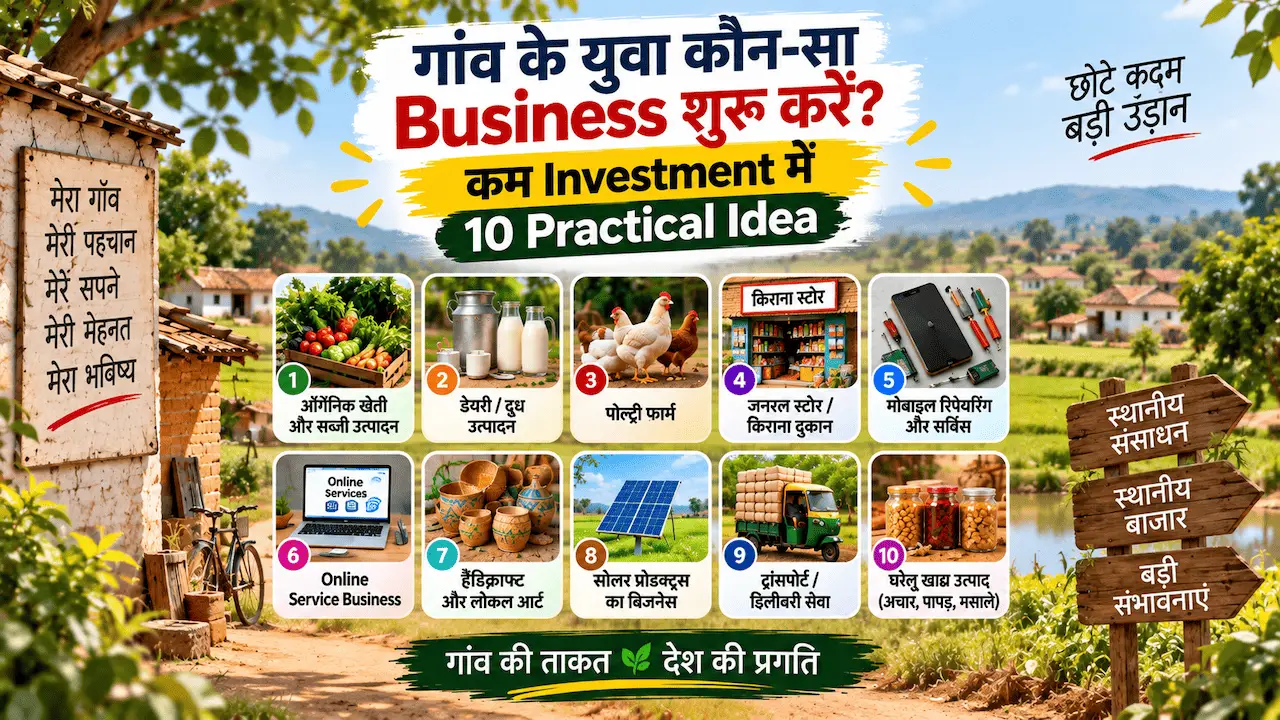
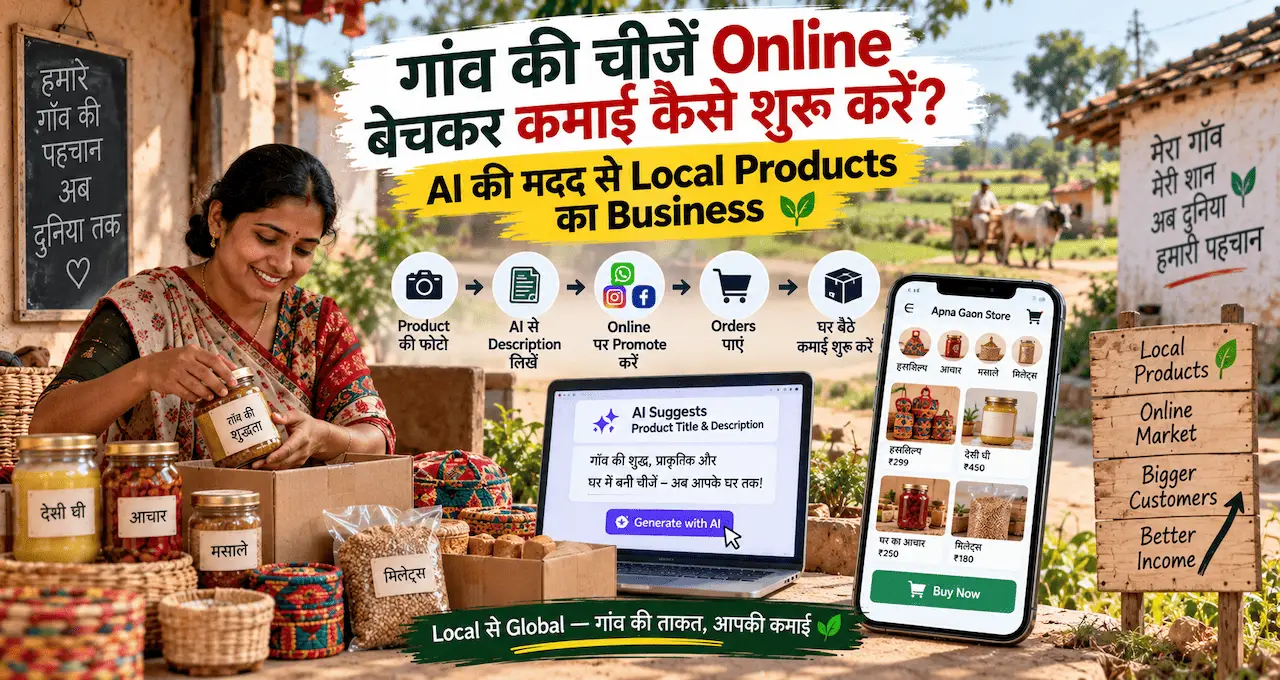






गाँव की चीजें Online बेचने का idea सुनने में आसान लगता है—product लिया, photo डाली और order आने लगे।
लेकिन practical business इससे थोड़ा अलग है। Local product online बेचने के लिए सबसे पहले यह समझना पड़ता है कि कौन-सी चीज़ वास्तव में अच्छी है, किस customer के लिए है, packaging और shipping में सुरक्षित रहेगी या नहीं, और सारे खर्च जोड़ने के बाद profit बचेगा या नहीं।
AI इस काम में product research organize करने, listing copy लिखने, photo ideas देने, customer replies और content planning में मदद कर सकता है। लेकिन product quality, price, demand, legal requirement और delivery promise जैसी बातें AI पर नहीं छोड़ी जानी चाहिए।
इस guide में गांव के local products को छोटे scale से test करके online business में बदलने का practical तरीका समझेंगे।
इस लेख में आप क्या सीखेंगे?
- सही local product चुनना
- Product quality verify करना
- Pricing और margin समझना
- Packaging सही तैयार करना
- AI listing copy बनाना
- Online customer तक पहुँचना
- Orders और delivery संभालना
- Repeat customers बढ़ाना
सबसे पहले कौन-सा Local Product Online बेचना चाहिए?
हर गाँव की चीज़ online selling के लिए suitable नहीं होती।
Product चुनते समय चार questions पूछें:
क्या इसमें local uniqueness है?
क्या product आपके area की पहचान, skill, raw material या traditional process से जुड़ा है?
क्या इसे safely pack किया जा सकता है?
Fragile, leaking या जल्दी खराब होने वाले product की shipping मुश्किल हो सकती है।
क्या customer इसका value समझेगा?
सिर्फ़ local होना enough नहीं है। Customer को quality, use और reason-to-buy साफ़ समझ आना चाहिए।
क्या सारे खर्चों के बाद margin बचेगा?
Product ₹150 में बनता है, इसका मतलब ₹200 में online बेचकर ₹50 profit नहीं होगा। Packaging, payment, shipping, return और marketing costs भी जुड़ सकती हैं।
Examples हो सकते हैं:
- Handmade craft
- Traditional textile items
- Local decorative products
- Handmade jewellery
- Bamboo या wood craft
- Dry food products, जहाँ applicable rules follow हों
- Pickles, spices या snacks, जहाँ food requirements पूरी हों
- Local gift items
- Hand-stitched products
- Natural-material utility products
पहले वही product चुनें जिसकी quality आप personally verify कर सकते हैं।
अगर business की basic planning पहले समझनी है, तो Business कैसे शुरू करें? Business के लिए 10 ज़रूरी कदम और Practical Roadmap useful रहेगा।
Local Product का मतलब Automatically Premium Product नहीं होता
यह common mistake है।
कई sellers मान लेते हैं कि “handmade”, “village-made” या “traditional” लिखते ही customer ज्यादा price देगा।
Customer आखिर में देखेगा:
Quality कैसी है?
Finish consistent है?
Size सही है?
Packaging कैसी है?
Photo और actual product match करते हैं?
Delivery reliable है?
अगर product handmade है तो छोटे variations normal हो सकते हैं, लेकिन customer को पहले बताना चाहिए।
उदाहरण:
“यह handmade product है, इसलिए color placement या finishing में हल्का natural variation हो सकता है।”
इससे expectation पहले clear रहती है।
गाँव में Product कहाँ से Source करें?
तीन basic models हो सकते हैं।
खुद बनाएं
अगर आपके पास skill है, तो आप direct producer हैं।
Advantage है कि quality और production पर ज्यादा control रहेगा।
Local Artisan से लें
गांव या आसपास के craftspeople, tailors, food makers या SHG से products source किए जा सकते हैं।
इस case में पहले तय करें:
Buying price
Minimum quantity
Quality standard
Delivery time
Defective product का rule
Commission Model रखें
आप seller की तरह product online दिखाते हैं और order मिलने पर producer से product लेते हैं।
इससे शुरुआती inventory risk कम हो सकता है।
अगर group-based production या local women producers के साथ काम करना चाहते हैं, तो Self Help Group (SHG) क्या है और इससे कैसे जुड़ें? कहाँ संपर्क करें? useful background देगा।
Online बेचने से पहले Product Quality Standard बनाएं
अगर हर order में size, color, weight या finish बदलती रहेगी तो complaints बढ़ेंगी।
Simple quality checklist बनाएं:
- Product साफ़ है?
- Size agreed range में है?
- कोई damage नहीं है?
- Stitching/finish ठीक है?
- Food item में seal ठीक है?
- Label सही है?
- Quantity सही है?
- Packaging से पहले photo record चाहिए या नहीं?
एक product का “approved sample” रखें।
Future batches को उसी से compare करें।
AI quality देखकर final approval नहीं दे सकता। Physical product की responsibility इंसान की है।
Packaging को Product का हिस्सा क्यों मानना चाहिए?
Online selling में customer product को पहली बार packaging खोलते समय देखता है।
अगर product अच्छा है लेकिन crushed, leaking या dirty condition में पहुँचा, तो customer के लिए product खराब ही माना जाएगा।
Packaging तीन काम करे:
Protection: Product सुरक्षित रखें।
Presentation: साफ़ और professional लगे।
Information: जहाँ ज़रूरी हो, product और seller details clear हों।
Fragile item के लिए cushioning चाहिए।
Textile product में moisture protection useful हो सकती है।
Food product में suitable food-grade packaging और applicable labelling requirements verify करनी चाहिए।
Fancy box सिर्फ़ तभी use करें जब उसका cost customer value justify करे।
Low-margin product पर expensive packaging profit खा सकती है।
Product Price कैसे Calculate करें?
Pricing सिर्फ़ “दूसरे seller कितना ले रहे हैं” देखकर नहीं होनी चाहिए।
Basic calculation लिखें:
Product Cost
- Packaging Cost
- Labour/Handling
- Payment/Platform Cost
- Shipping Contribution
- Return/Damage Reserve
- Marketing Cost
- Profit Margin
= Selling Price
मान लीजिए:
Product cost = ₹180
Packaging = ₹35
Handling = ₹20
Other average costs = ₹45
Total cost = ₹280
अगर आप ₹299 में बेचते हैं तो actual profit बहुत कम होगा।
यह सिर्फ़ calculation example है, recommended price नहीं।
आपकी real cost अलग होगी।
कमाई और खर्च को अलग track करने की habit के लिए Personal Finance क्या है? कमाई, खर्च, बचत और Investment Manage करने का सही तरीका useful हो सकता है।
शुरुआत Website से करें या WhatsApp और Social Media से?
पहले दिन full e-commerce website ज़रूरी नहीं है।
अगर अभी demand test करनी है, तो simple setup काफी हो सकता है:
Instagram Page
↓
WhatsApp Business
↓
Product Catalogue
↓
Order Form या Message
↓
Payment
↓
Delivery
पहले 10–20 paid orders आने से आपको बहुत कुछ पता चलेगा:
कौन-सा product ज्यादा पूछा जा रहा है?
Customer कौन-सी information मांगता है?
किस price पर hesitation आता है?
Packaging में problem कहाँ है?
Delivery कितने दिनों में practical है?
उसके बाद website या marketplace expansion पर सोच सकते हैं।
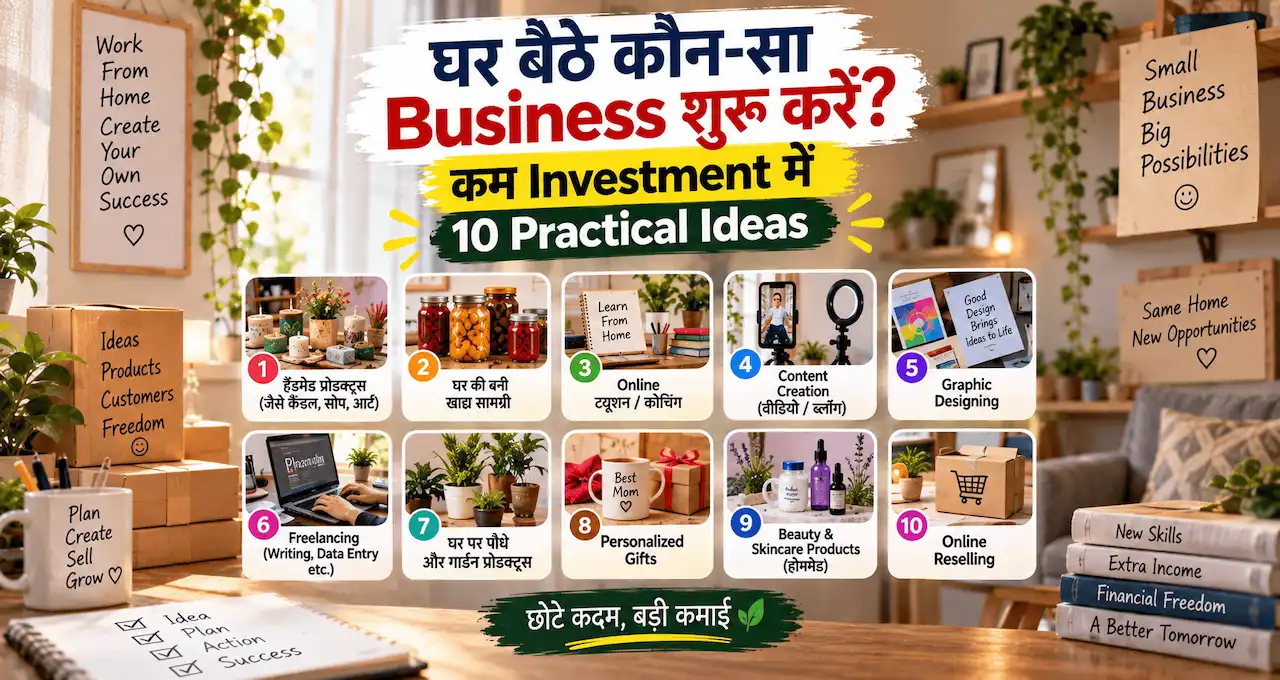
घर से low-cost business setup समझने के लिए कम पैसे में घर से Business कैसे शुरू करें? Beginners के लिए Practical Step-by-Step Guide भी relevant है।
अच्छे Product Photos कैसे बनाएं?
Online customer product को छू नहीं सकता, इसलिए photo ही उसकी पहली inspection है।
Minimum photo set रखें:
Front view
Side view
Close-up
Size reference
Packaging view
Use-case photo
Natural daylight helpful हो सकती है।
Background simple रखें।
Product का real color बदलने वाले heavy filters avoid करें।
AI background ideas या photo cleanup में मदद कर सकता है, लेकिन actual product की shape, color, texture या quantity बदलना misleading हो सकता है।
अगर AI images बनाना नया है, तो AI से Photo बनाना कैसे सीखें? Beginners के लिए आसान Guide useful रहेगा।
AI से Product Description कैसे लिखवाएं?
AI listing copy बनाने में useful है, लेकिन उसे verified facts देने होंगे।
यह reusable prompt use करें:
मैं [Product Name] online बेच रहा/रही हूँ।
Verified product facts:
- Material: [Material]
- Size: [Size]
- Weight/Quantity: [Weight]
- Color options: [Colors]
- Handmade: [Yes/No]
- Care instructions: [Instructions]
- Suitable use: [Use]
मेरे लिए simple Hindi-English product description बनाएं।
Output में:
- Short headline
- 3–5 clear benefits/features
- Product details
- Care note
- Short WhatsApp caption
कोई material, health benefit, certification, size, price, durability, origin story, availability या guarantee invent न करें। जो information नहीं दी गई है, उसे “verify करें” के रूप में mark करें।
AI को “attractive बना दो” कहकर facts invent करने की freedom न दें।
Better prompts लिखने के लिए Prompt Engineering क्या है? AI से बेहतर जवाब पाने के लिए Prompt कैसे लिखें? useful foundation है।
Product की Story कैसे बताएं?
Local products में story useful हो सकती है, लेकिन story सच होनी चाहिए।
Customer को बताया जा सकता है:
यह product कहाँ बनता है?
किस material से बनता है?
कौन-सी local skill use होती है?
Handmade process में क्या खास है?
Producer कौन है, अगर permission हो?
उदाहरण:
“यह item हमारे area के local artisans द्वारा hand-finished किया जाता है।”
ऐसी line तभी लिखें जब वास्तव में ऐसा हो।
Fake “100 साल पुरानी tradition” या “पूरे गांव की महिलाओं की livelihood” जैसी emotional claims सिर्फ़ marketing के लिए invent न करें।
Trust long-term business की सबसे valuable asset है।
Social Media पर Product कैसे Promote करें?
हर post sale, post नहीं होनी चाहिए।
चार content pillars बना सकते हैं:
Product
Product क्या है और कैसे use होता है?
Process
Making, packing या quality-check process।
Trust
Real customer feedback, permission के साथ।
Story
Local material, artisan या product origin।
एक product से multiple content ideas निकल सकते हैं।
Product Photo
↓
Short Reel
↓
Making Clip
↓
Packaging Video
↓
Customer FAQ
↓
WhatsApp Status
AI captions और content calendar draft कर सकता है।
छोटे business की marketing को system में बदलने के लिए Sales कैसे बढ़ाएं? छोटे Business के लिए 10 Practical तरीके और Customer Growth Guide भी useful है।
पहला Online Customer कहाँ से मिलेगा?
शुरुआत strangers से ही हो, यह ज़रूरी नहीं है।
पहले अपने warm network से paid test करें:
- WhatsApp contacts
- Friends और relatives
- Nearby town contacts
- Instagram followers
- Local community
- Existing offline customers
लेकिन सिर्फ़ “support my business” न लिखें।
Clear offer दें:
“हमने [Product] का small batch शुरू किया है। Price ₹X है, size/material ये है और delivery [Area] में available है।”
Customer को decision लेने के लिए complete information दें।
पहले 10 orders का goal learning होना चाहिए।
हर order से feedback लें:
Product कैसा लगा?
Packaging ठीक थी?
Price reasonable लगा?
क्या information missing थी?
क्या आप दोबारा खरीदेंगे या किसी को recommend करेंगे?
Payment लेते समय क्या सावधानी रखें?
Online business में payment scams seller के साथ भी हो सकते हैं।
Basic rules:
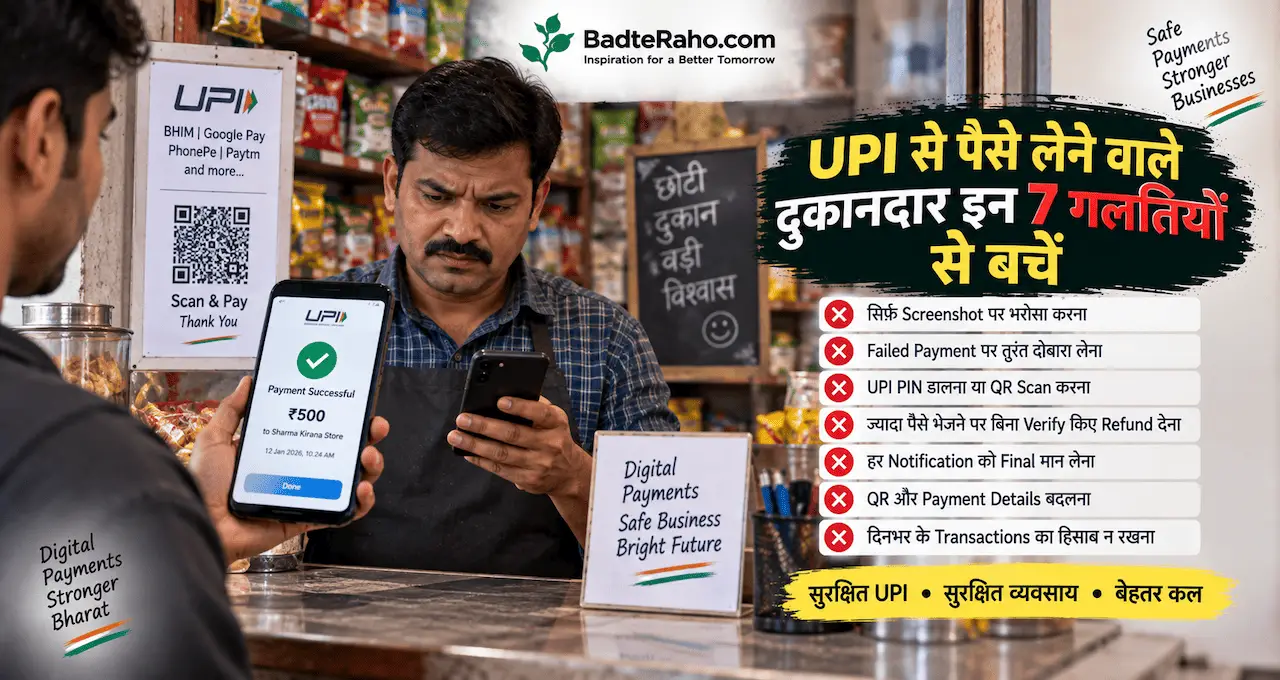
- UPI PIN सिर्फ़ payment भेजने के लिए enter होता है
- Payment receive करने के लिए unknown collect request approve न करें
- Screenshot को final proof न मानें
- Bank/app में transaction verify करें
- OTP, PIN और card details share न करें
- Fake courier/customer support calls से सावधान रहें
Digital fraud के common patterns UPI Scam से कैसे बचें? ठगी के 8 आम तरीके और ज़रूरी Safety Tips में समझ सकते हैं।
Shipping कैसे Manage करें?
शुरुआत में तीन levels हो सकते हैं।
Local Delivery
Nearby customers को self-delivery या local delivery support।
Regional Shipping
Nearby towns/cities के लिए courier।
Wider Shipping
Orders stable होने पर broader shipping setup।
Courier choose करते समय सिर्फ़ lowest rate न देखें।
Check करें:
Pickup available है?
Tracking मिलती है?
COD available है, अगर चाहिए?
Damage/return process क्या है?
Serviceable pin codes कौन-से हैं?
Average delivery time क्या है?
Packaging rules क्या हैं?
Shipping promise हमेशा current provider capability के अनुसार दें।
“2 दिन guaranteed” तभी लिखें जब आप वास्तव में guarantee कर सकते हों।
Returns और Damage का Rule पहले बनाएं
Online selling में return problem को बाद के लिए न छोड़ें।
Policy पहले clear रखें:
Wrong item आया तो क्या होगा?
Damaged parcel का proof कैसे देना है?
Custom product return होगा या नहीं?
Customer कितने समय में issue report करे?
Refund कब process होगा?
Applicable consumer rules और platform policies जहाँ relevant हों, current form में verify करें।
Policy easy language में customer को order से पहले दिखाना बेहतर है।
Food Products Online बेचने में Extra Care क्यों चाहिए?
अगर local product food category में है—जैसे pickle, spice, snack, honey या packaged item—तो सिर्फ़ tasty होना enough नहीं है।
आपको hygiene, ingredients, shelf life, packaging, storage, labelling और applicable food-business requirements verify करनी होंगी।
AI से कभी:
Fake shelf life
Health claim
“100% organic”
“Chemical-free”
Medical benefit
Certification
invent न करवाएं।
ऐसे claims तभी use करें जब आपके पास proper basis हो।
यहाँ local/current official compliance check करना business setup का हिस्सा है।
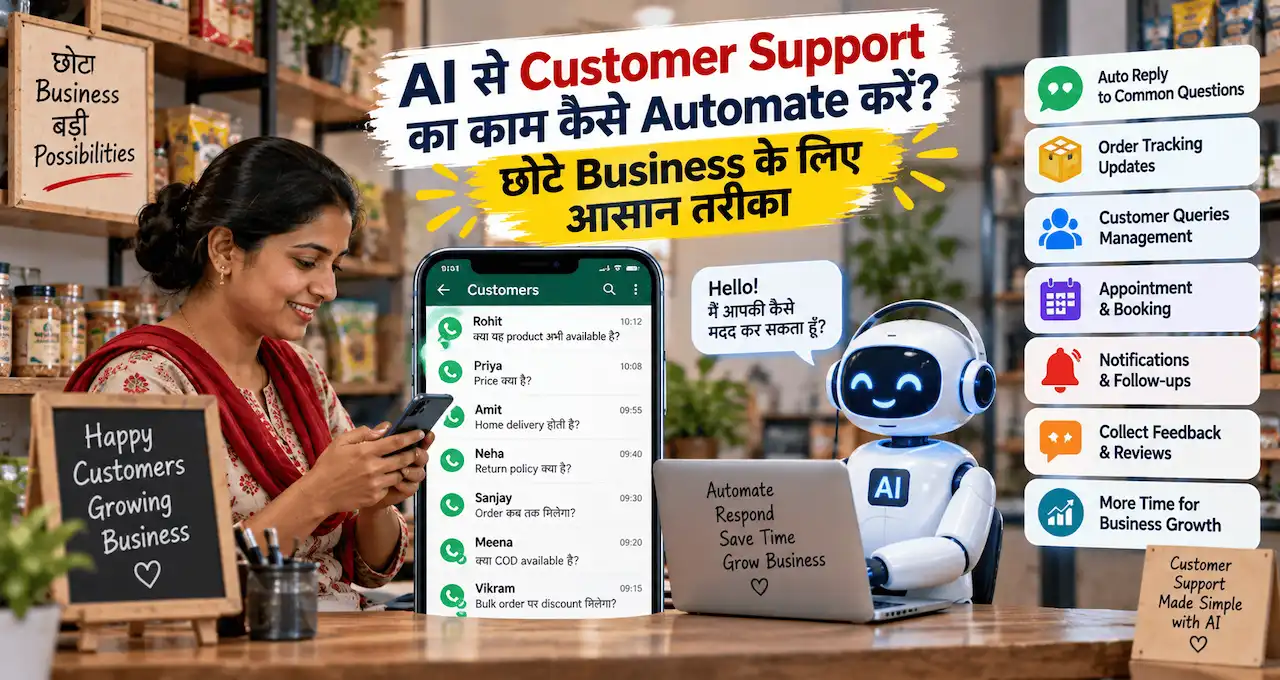
AI Customer Messages में कैसे मदद कर सकता है?
जैसे-जैसे enquiries बढ़ेंगी, बार-बार वही सवाल आएंगे:
Price क्या है?
Delivery charge?
Available colors?
Size?
COD है?
Dispatch कब होगा?
AI verified information से reply drafts बना सकता है।
लेकिन best model है:
Customer Message
↓
AI Draft
↓
Facts Check
↓
Reply
अगर customer complaint, refund या payment issue है तो human review रखें।
Customer support को automate करने का detailed workflow AI से Customer Support का काम कैसे Automate करें? छोटे Business के लिए आसान तरीका में समझाया गया है।
Repeat Customer कैसे बनाएं?
पहला order marketing से आ सकता है।
दूसरा order experience से आता है।
Repeat customer के लिए:
Product जैसा दिखाया था वैसा भेजें।
Packaging consistent रखें।
Delivery update दें।
Complaint का response जल्दी दें।
Order के बाद feedback मांगें।
Relevant product होने पर future update भेजें।
हर customer को रोज़ promotional message भेजना repeat marketing नहीं, spam हो सकता है।
Customer consent और frequency का ध्यान रखें।
Inventory कैसे track करें?
छोटे business में भी basic inventory system रखें।
Spreadsheet में columns हो सकते हैं:
Product Name
SKU/Code
Available Quantity
Cost Per Unit
Selling Price
Reorder Level
Supplier/Producer
Last Updated
अगर handmade product made-to-order है तो “production capacity” track करें।
मान लीजिए आप week में realistically 20 pieces बना सकते हैं।
100 orders लेना success नहीं होगा अगर 80 customers को delay करना पड़े।
Capacity business growth का हिस्सा है।
Business कब Scale करें?
पहले 5 orders आते ही 100 units का stock न खरीदें।
Scale तब करें जब:
Demand repeat हो रही है।
Product returns manageable हों।
Margin clearly positive हो।
Packaging process stable हो।
Supplier/production reliable हो।
Customers repeat कर रहे हैं।
Shipping issues control में हों।
Scale के options:
More stock
Better packaging
New product variant
Marketplace listing
Website
Paid marketing
Part-time helper
लेकिन एक समय में एक change test करना बेहतर है।
पहले 14 दिनों का Practical Action Plan
Day 1–2
एक local product shortlist करें और उसकी real cost लिखें।
Day 3
Quality checklist और approved sample तय करें।
Day 4
Packaging test करें।
Day 5
Selling price calculate करें।
Day 6
5–6 real product photos लें।
Day 7
AI की मदद से listing और captions draft करें।
Day 8
WhatsApp catalogue या social page तैयार करें।
Day 9–10
पहले 10 potential customers को clear offer दिखाएं।
Day 11–12
Paid orders process करें।
Day 13
Customer feedback लें।
Day 14
Review करें:
Demand कैसी थी?
Margin कितना बचा?
कौन-सी complaint आई?
Packaging कैसी रही?
क्या product दोबारा बेचना practical है?
इस data के बाद ही inventory या marketing बढ़ाएं।
Common Mistakes जिनसे बचना चाहिए
- Product test किए बिना bulk stock खरीदना
- Local होने को quality समझ लेना
- Packaging cost ignore करना
- AI से fake product facts लिखवाना
- Actual product से अलग AI photo use करना
- Shipping cost calculation भूलना
- Return policy न रखना
- Food claims बिना verification करना
- हर customer को spam करना
- एक अच्छे week को permanent demand मान लेना
Online business का goal सिर्फ़ order लेना नहीं है।
Goal है ऐसा system बनाना जिसमें customer को सही product मिले और seller के पास sustainable margin बचे।
आख़िर में एक छोटी सी बात
गाँव की चीज़ें online बेचने में सबसे बड़ा advantage यह हो सकता है कि आपके पास ऐसे products और skills तक access हो जिन्हें शहर का customer आसानी से नहीं देख पाता। लेकिन “local” या “handmade” label अपने आप business नहीं बनाता।
Business तब बनेगा जब product की quality consistent हो, photos honest हों, pricing में सारे खर्च शामिल हों, packaging safe हो और customer को reliable service मिले।
AI इस journey को तेज़ कर सकता है—listing लिखने, captions बनाने, customer questions organize करने और marketing ideas तैयार करने में। लेकिन quality, demand, price, compliance और customer promise की final responsibility आपकी रहेगी।
पहले एक product चुनें। Small batch test करें। 10 paid orders से सीखें। उसके बाद ही stock और marketing बढ़ाएं।
आपके गाँव या area में ऐसी कौन-सी चीज़ बनती है जिसे online बेचा जा सकता है—handmade craft, कपड़े, food product, decorative item या कुछ और? Comments में product का नाम बताएं, ताकि उसके लिए practical selling, packaging और pricing roadmap बनाया जा सके।