














Business शुरू करने का idea exciting होता है, लेकिन seriously सोचते ही सवाल बढ़ने लगते हैं। क्या बेचें, कितना पैसा चाहिए, customer कहाँ से आएगा और price कैसे तय करें?
कुछ लोग बिना demand check किए पैसा लगा देते हैं, जबकि कुछ perfect idea का इंतजार करते रहते हैं।
लेकिन अगर पहला लक्ष्य “बड़ी company बनाना” नहीं, बल्कि ऐसा छोटा model बनाना हो जिसके लिए कोई real customer payment करे, तो planning काफी आसान हो सकती है।
तो शुरुआत idea से करें, investment से या customer की problem से? यही roadmap का core सवाल है।
इस लेख में आप क्या सीखेंगे?
- सही Business Idea चुनना
- Customer Demand समझना
- Budget और Pricing बनाना
- पहला Customer पाना
- Business को Grow करना
Business की Foundation पहले समझें
Business सिर्फ product बेचने या दुकान खोलने का नाम नहीं है। एक workable business में customer की कोई problem, उसका useful solution और उस solution के लिए payment करने वाला customer होना चाहिए। साथ ही खर्च निकालने के बाद काम आगे चल सके, यह भी जरूरी है।
Problem → Solution → Customer → Payment
मान लीजिए आपको cakes बनाना आता है। यह skill है, लेकिन business तब बनेगा जब आसपास ऐसे customers हों जिन्हें customised cakes चाहिए और वे उसके लिए payment करने को तैयार हों। Graphic design भी तभी business बनता है जब आप किसी customer की जरूरत पूरी करके payment लेते हैं।
इसलिए बेहतर सवाल है—“मैं किस customer की कौन-सी problem solve कर सकता हूँ?”
Step 1: अपनी Skill, Resources और Time समझें
Internet पर business ideas की कमी नहीं है, लेकिन हर idea आपकी situation के लिए practical नहीं होगा। अपनी skills, available resources और time लिखें—जैसे cooking, teaching, repairing, designing, computer work, smartphone, bike, kitchen या local contacts.
Full-time business और job के साथ रोज दो घंटे देने वाले व्यक्ति के लिए सही model अलग होगा। इसलिए ऐसा business चुनें जिसे आपकी available capacity में consistently चलाया जा सके।
कम investment से शुरुआत पर detail guide के लिए कम पैसे में घर से Business कैसे शुरू करें? Beginners के लिए Practical Step-by-Step Guide पढ़ सकते हैं।
Step 2: Idea से पहले Customer की Problem खोजें
बहुत से beginners पहले product तय करते हैं और फिर customer ढूँढते हैं। कई cases में उल्टा approach ज्यादा practical है—पहले problem पहचानें, फिर उसके आसपास solution बनाएं।
Working professionals को reliable tiffin नहीं मिलता, local shops regular social media content नहीं बना पातीं, parents को tuition चाहिए या small sellers को अच्छे product photos बनाना मुश्किल लगता है। ऐसी problems business opportunity बन सकती हैं।
लेकिन problem दिखाई देना ही काफी नहीं है। यह भी समझें कि customer उसे कितना important मानता है और क्या वह solution के लिए payment करेगा।
यही “interesting idea” और “business opportunity” के बीच का फर्क है।
Step 3: Customer को Specific बनाएं
“मेरा customer हर कोई है” useful answer नहीं है। Customer जितना clear होगा, product, pricing और marketing उतनी focused होगी।
“मैं सभी businesses के लिए social media manage करता हूँ” broad है। “मैं local salons के लिए monthly social media content बनाता हूँ” ज्यादा specific offer है। इससे sample, message और outreach clear होते हैं।
Idea अच्छा है, लेकिन क्या Market भी Agree करता है?
Founder को अपना idea naturally अच्छा लगता है। Market तभी agree करता है जब कोई customer उस offer में real value देखकर payment करे।
इसलिए logo, website और बड़े setup से पहले demand test करना ज्यादा जरूरी है।
Step 4: Basic Market Research करें
Market research का मतलब expensive survey नहीं है। Potential customers से बात करना, competitors देखना, reviews पढ़ना और छोटे experiments करना भी useful information दे सकते हैं।
अगर आप tiffin service शुरू करना चाहते हैं, तो office workers या students से उनकी current problem और comfortable price range पूछें। फिर competitors की pricing और reviews देखें। Competition कई बार यह भी दिखाता है कि demand पहले से मौजूद है।
Market research का मकसद idea को सही साबित करना नहीं, बल्कि जल्दी समझना है कि उसमें real demand है या नहीं।
Step 5: छोटा Version Launch करें
Customer से पहले पूरा setup तैयार करना risky हो सकता है। Logo, website, packaging और stock पर पैसा खर्च हो जाए, लेकिन कोई खरीदना ही न चाहे तो नुकसान बढ़ सकता है।
जहाँ possible हो, छोटा version test करें। Home bakery में limited paid orders लें, clothing business में छोटी collection, tuition में छोटा batch और service business में starter package.
इस stage पर maximum profit goal नहीं है। आपको यह समझना है कि customer offer समझ रहा है या नहीं, price acceptable है या नहीं और delivery में क्या problems आती हैं।
सबसे strong validation payment है।
अब Business के पैसे का हिसाब समझें
Sales और profit एक ही चीज नहीं हैं। Revenue अच्छा दिख सकता है, लेकिन raw material, delivery, rent, software और marketing का खर्च ज्यादा हो तो business financially weak रह सकता है।
Step 6: Startup Budget बनाएं
खर्च को broadly one-time, recurring और variable cost में बाँटें। Equipment या initial setup one-time cost हो सकते हैं; rent, internet और software recurring; raw material, packaging और delivery order के साथ बदलते हैं।
मान लीजिए product ₹500 में बिकता है और raw material ₹180, packaging ₹30, delivery ₹40 तथा payment cost ₹10 है। ऐसे में ₹500 का profit नहीं है।
Service business में आपका time, paid tools और revisions भी cost का हिस्सा हैं; इन्हें zero न मानें।
Budgeting की basic understanding के लिए Monthly Budget कैसे बनाएं? Income, Expenses, Savings और Financial Goals Manage करने की Practical Guide useful रहेगी।
Step 7: Pricing सिर्फ Competitor देखकर तय न करें
“दूसरा ₹500 ले रहा है, इसलिए मैं ₹450 लूँगा” हमेशा sustainable strategy नहीं है। Price में direct cost, आपका time, operating expenses और reasonable profit शामिल होना चाहिए।
Customer को मिलने वाली value भी देखें। अगर आपकी service किसी business owner के कई घंटे बचाती है, तो उसकी value सिर्फ tool की subscription cost नहीं है।
Cost + Time + Operating Expense + Profit = Sustainable Price
Principle simple है—sale होना और profitable sale होना अलग बातें हैं।
Step 8: Setup और Records Organised रखें
Small business का मतलब unorganised business नहीं होना चाहिए। Payments, orders और expenses का basic system शुरुआत से रखें।
हर business के लिए same registration, licence या tax requirement नहीं होती। यह business type, location, turnover और product या service पर depend कर सकती है। Applicable requirements official sources या qualified professional से verify करें।
Order, payment, invoice, expenses और customer details के लिए simple process रखें। शुरुआत में organised spreadsheet भी काफी हो सकती है; महीने के अंत में आपको sales, खर्च और बचा हुआ पैसा पता होना चाहिए।
अब सबसे जरूरी Test: पहला Paying Customer
Product तैयार है, price तय है और basic setup भी हो गया है। अब सवाल है—क्या सही customer तक आपका offer पहुँच रहा है?
यहीं planning पहली बार real market से टकराती है।
Step 9: पहले Paying Customer पर Focus करें
शुरुआत में 10,000 followers से ज्यादा important पहला genuine paying customer हो सकता है। वह revenue के साथ यह signal देता है कि आपके offer में real value है।
पहले customers existing contacts, local businesses, referrals या direct outreach से आ सकते हैं। Generic message से बचें; किसी shop की specific problem देखकर अपनी service explain करें।
Sample work trust बनाने में मदद कर सकता है। पहले customer के बाद feedback लें—उसने आपको क्यों choose किया और वह दोबारा खरीदना चाहेगा या नहीं।
Step 10: Marketing और Sales का Simple System बनाएं
Marketing का काम सही customer तक सही message पहुँचाना है। Local business में Google, WhatsApp, Instagram और referrals useful हो सकते हैं; B2B service में LinkedIn, email और direct outreach ज्यादा relevant हो सकते हैं।
दो या तीन channels चुनें। Enquiry के बाद requirement, price, payment, delivery और follow-up का repeatable process बनाएं।
Sales पर detailed guide के लिए Sales कैसे बढ़ाएं? छोटे Business के लिए 10 Practical तरीके और Customer Growth Guide पढ़ सकते हैं।
पहला order मिलने के बाद क्या सीखें?
पहली sale से पहले business का काफी हिस्सा assumptions पर आधारित होता है। पहला customer आने के बाद real information मिलने लगती है—customer कहाँ से आया, उसने क्यों खरीदा, delivery में कितना time लगा और actual profit कितना बचा।
Feedback लें, लेकिन हर individual suggestion पर पूरा business न बदलें। अगर कई customers एक ही issue बताते हैं, तो वह strong signal हो सकता है।
Repeat order और referral उससे भी important हैं। ये बताते हैं कि actual value बन रही है।
कौन-से Numbers Track करें?
Revenue, expenses, approximate profit, enquiries, paying customers और repeat customers जैसे basic numbers track करें।
अगर enquiries बहुत हैं लेकिन sales कम हैं, तो offer, trust या pricing review करें। Orders बहुत हैं लेकिन पैसा नहीं बच रहा, तो expenses और margin देखें।
“Business बहुत busy है” और “Business profitable है”—दोनों अलग बातें हैं।
AI Business में कहाँ मदद कर सकता है?
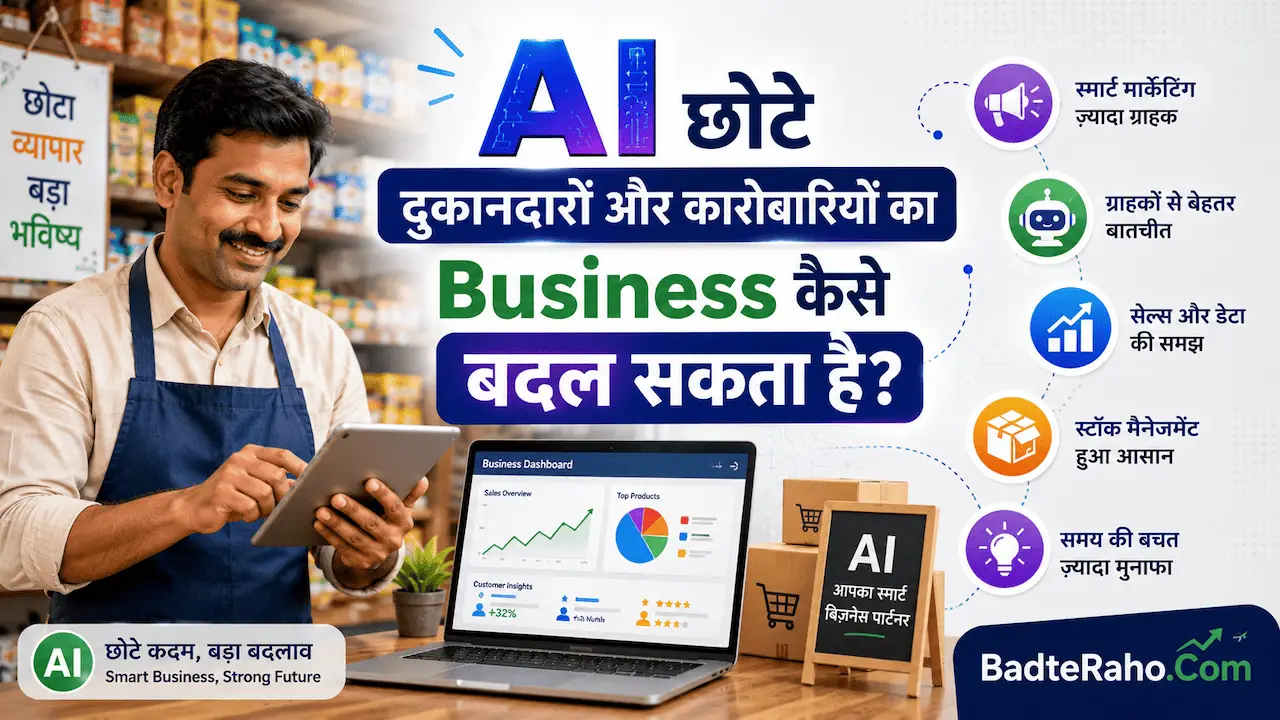
AI product descriptions, social media ideas, FAQs, email drafts और content planning जैसे repetitive tasks में मदद कर सकता है। लेकिन customer, quality, pricing और complaints से जुड़े decisions में human judgement जरूरी है।
इस topic पर detail guide के लिए AI छोटे दुकानदारों और कारोबारियों का Business कैसे बदल सकता है? 10 Practical Uses पढ़ सकते हैं।
Business शुरू करते समय इन गलतियों से बचें
Demand test किए बिना बड़ा investment करना risky है। Personal और business money mix करना, records न रखना, सिर्फ low price पर compete करना और marketing को बाद के लिए छोड़ना भी problem पैदा कर सकता है।
पहली failure को final verdict न मानें। कई बार problem idea में नहीं, offer, pricing, customer selection या message में होती है।
30 दिनों का Practical Business Roadmap
Week 1: Problem और Customer
अपनी skills, resources और available time लिखें। तीन customer problems identify करें और potential customers से बात करें।
Week 2: Offer और Pricing
Product या service का छोटा version तैयार करें। Cost और price तय करें; service business है तो छोटा portfolio बनाएं।
Week 3: Market Test
Potential customers तक पहुँचें। Interest, objections और price reaction note करें। Response कमजोर हो तो message या offer improve करें।
Week 4: First Sale और Review
पहला paid customer पाने पर focus करें। Sale के बाद actual cost, profit और repeatability देखें।
अगर आपने Problem → Offer → Customer → Payment का एक पूरा cycle test कर लिया, तो आपने business को real market में test कर लिया है।
Business को Grow कब करें?
Growth तब sensible है जब basic model repeat होने लगे। Customers मिल रहे हों, delivery manageable हो, profit बच रहा हो और repeat orders आने लगे हों, तब stock, marketing budget, team या नई services बढ़ाने पर विचार किया जा सकता है।
बहुत जल्दी scale करने पर छोटी operational problem भी बड़ी हो जाती है। पहले process stable करें, फिर volume बढ़ाएँ।
Growth को सिर्फ revenue से न मापें। Sustainable growth में customer experience और profitability भी improve होनी चाहिए।
आख़िर में एक छोटी सी बात
Business शुरू करने के लिए पहले दिन perfect idea, बड़ा office या लाखों रुपये जरूरी नहीं हैं। लेकिन यह clear होना चाहिए कि किस customer की कौन-सी problem solve करनी है और क्या वह उसके लिए payment करने को तैयार है।
सबसे important शुरुआती milestone logo या follower count नहीं, पहला genuine paying customer है। उसके बाद उसी sale से सीखें—customer ने क्यों खरीदा, कहाँ problem आई, कितना profit बचा और क्या वही process दोबारा repeat किया जा सकता है।
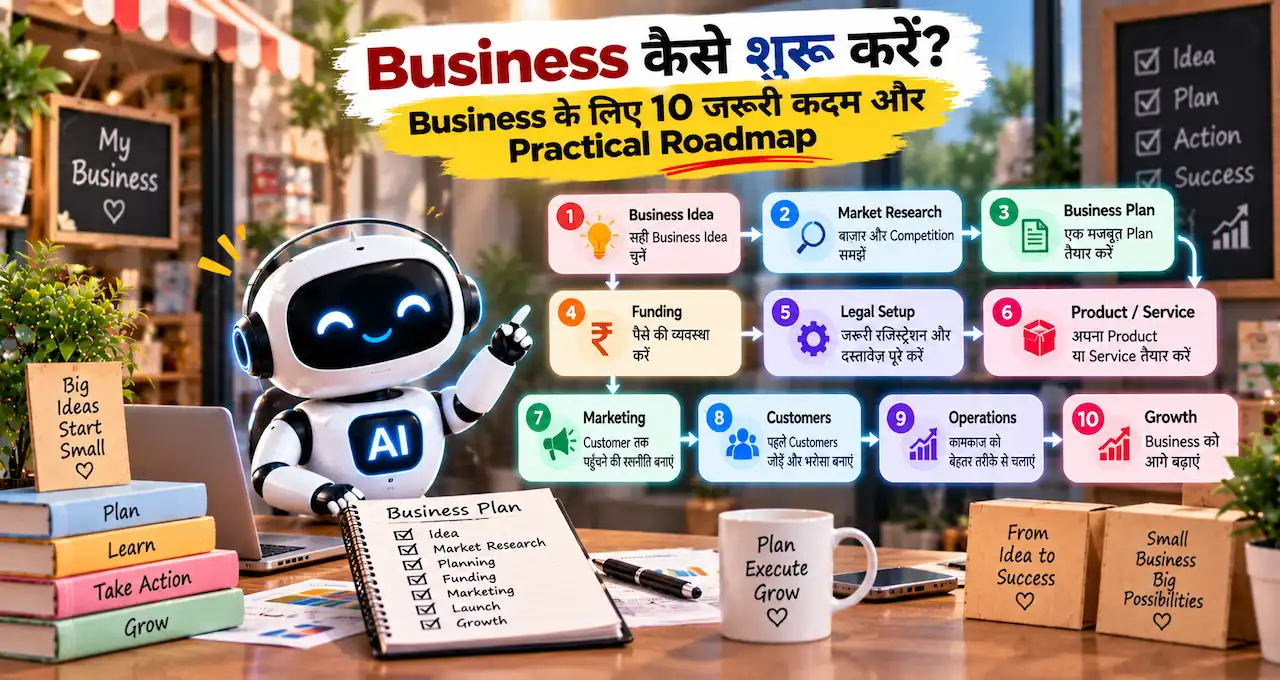
Idea → Customer Problem → Research → Small Test → Budget → Pricing → First Customer → Delivery → Feedback → Growth
Business customer को समझने, छोटे experiments करने, numbers देखने और लगातार improvement करने से मजबूत होता है।
अगर आप अपना business शुरू करने की planning कर रहे हैं, तो comment में बताएं कि आप product business, service business, online business या local business में से किस direction में जाना चाहते हैं। अगर किसी step पर confusion है, तो अपना सवाल भी पूछ सकते हैं।
Keywords: Business कैसे शुरू करें, Business शुरू करने का तरीका, Business Roadmap, Business Ideas for Beginners, छोटा Business कैसे शुरू करें, नया Business कैसे शुरू करें, Business Planning, Business Idea कैसे चुनें, Market Research for Business, Business Budget, Business Pricing, पहला Customer कैसे पाएं, Business Marketing, Small Business India, Business Growth