
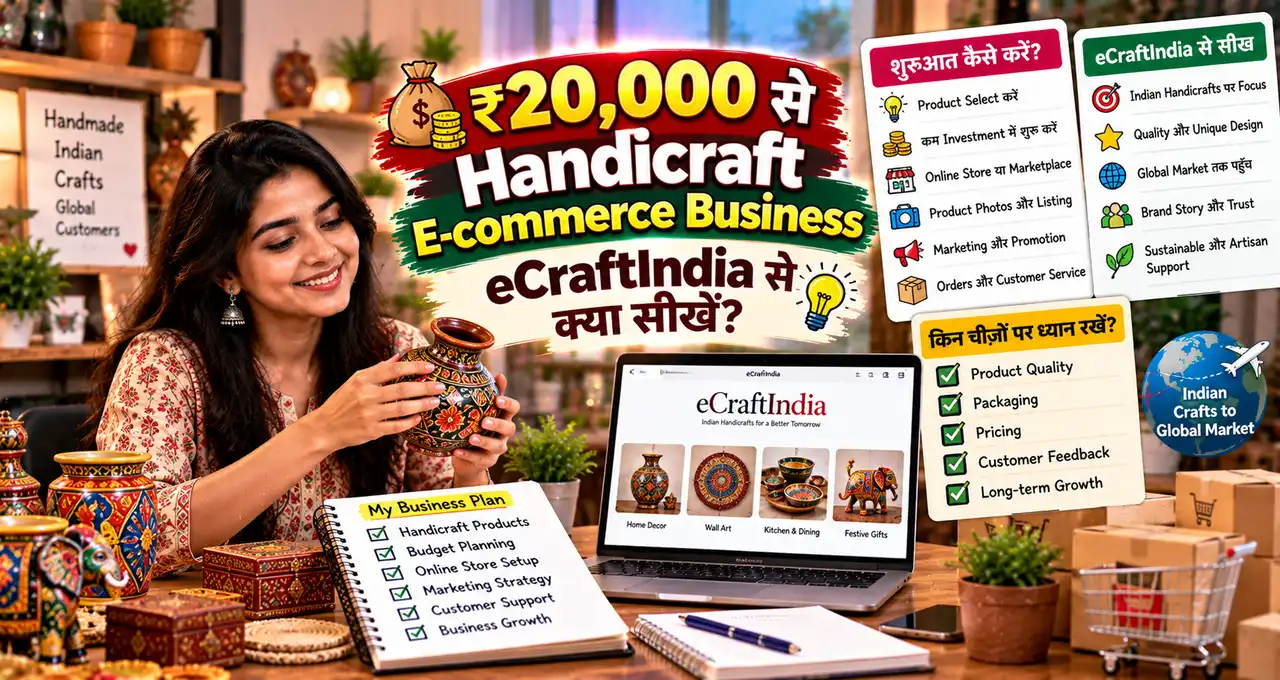

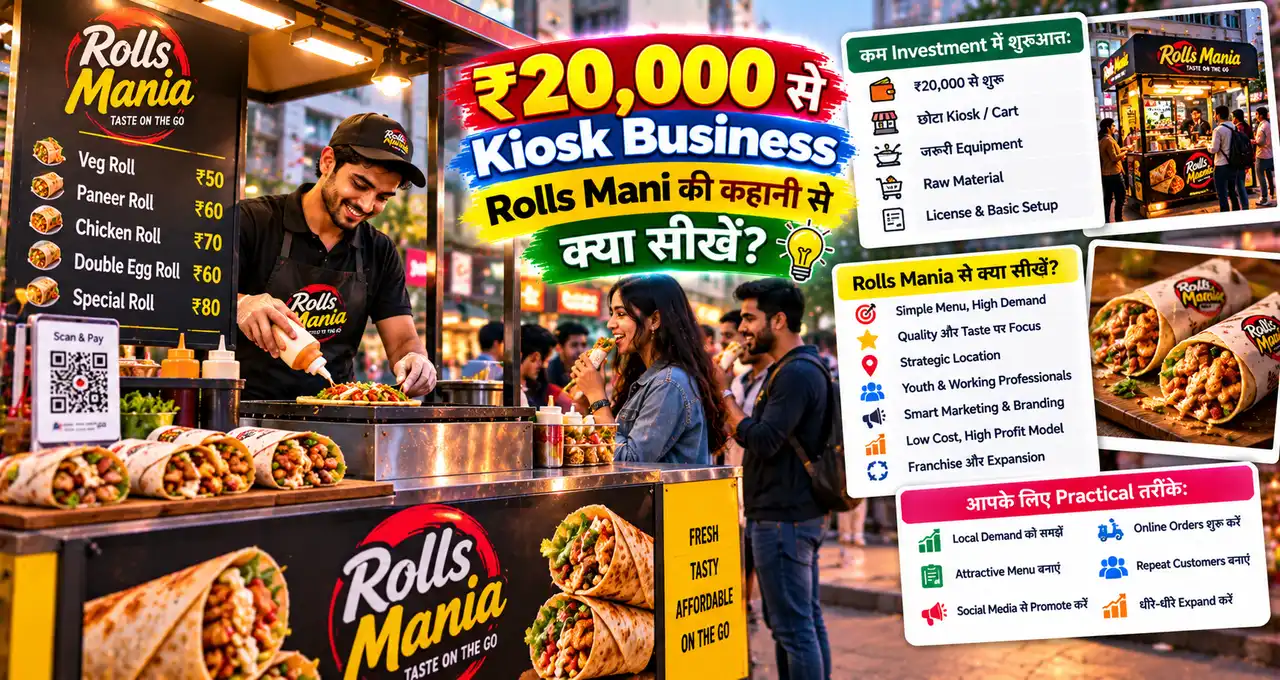
₹20,000 से food kiosk शुरू करने की कहानी सुनकर अगला सवाल आता है—आज उसका खर्च कितना होगा?
Rolls Mania जैसी growth story से product focus और customer response के lessons मिल सकते हैं। लेकिन पुराने startup amount को आज की franchise या kiosk investment मानना गलत होगा। Rent, equipment, permissions और working capital अलग-अलग जगह बदलते हैं।
यह guide कहानी और practical business decisions को अलग रखकर समझाती है। हम menu testing, pricing, hygiene, demand और छोटे trial का roadmap देखेंगे, बिना guaranteed profit का दावा किए।
किसी बड़ी chain की सफलता copy करने के बजाय उसका शुरुआती testing mindset समझना ज्यादा उपयोगी है।
इस लेख में आप क्या सीखेंगे?
- Rolls Mania journey समझें
- Food kiosk demand जाँचें
- Startup costs अलग समझें
- Product menu testing सीखें
- Hygiene और packaging देखें
- Small pilot plan बनाएँ
Rolls Mania की शुरुआत क्या थी?
Historical coverage के अनुसार Puneet Kansal ने 2009 में Pune के Magarpatta area में table-sized kiosk से kathi rolls बेचने शुरू किए। शुरुआती capital लगभग ₹20,000 बताया गया, जो उन्होंने friend से borrow किया था।
वह sourcing, accounts और delivery तक के कई काम खुद संभालते थे। बाद में regular customers Gagan Sial और Sukhpreet Sial business partners बने और 2010 में दूसरा outlet खोला गया।
यानी story का पहला lesson “₹20,000 से बड़ा brand बनाओ” नहीं, बल्कि छोटे operational test से demand validate करना है।
₹20,000 को आज का Startup Budget क्यों न मानें?
2009 और 2026 की costs अलग हैं। आज आपको equipment, food licence, deposit, rent, branding, POS, packaging और working capital जैसी चीजें अलग cost पर मिलेंगी।
इसलिए historical amount को inspiration मानें, budget template नहीं। आज अपना kiosk budget actual local quotation से बनाएं।
| Cost head | क्या check करें |
|---|---|
| Kiosk/cart | Purchase या rental |
| Equipment | Grill, stove, refrigeration |
| Licences | Applicable food/local permissions |
| Raw material | Opening stock |
| Packaging | Per-order cost |
| Location | Rent/deposit/revenue share |
| Working capital | At least initial operating buffer |
Lesson 1: Product छोटा रखें, Execution मजबूत करें
Kiosk business में बहुत बड़ा menu शुरुआती stage में inventory और preparation complexity बढ़ा सकता है। Focused hero product operations सरल रखता है।
Example: 6–8 roll variants, 2 combos और limited beverages से शुरुआत करना 40-item menu से आसान हो सकता है। Customer demand के बाद expand करें।
Lesson 2: Location Product जितनी Important है
Food kiosk के लिए footfall सिर्फ crowd नहीं, relevant crowd होना चाहिए। Office area, college, market या transit location की demand अलग होगी।
Check करें:
- Lunch/evening footfall
- Average spend
- Nearby competitors
- Parking/walkability
- Delivery radius
- Rent-to-sales feasibility
High rent वाली “famous location” हमेशा profitable नहीं होती।
Lesson 3: Customer Feedback को Product Research बनाएं
Rolls Mania की कहानी में regular customers बाद में partners बने—यह unusual outcome है, लेकिन broader lesson useful है: customer interactions से product और business signals मिल सकते हैं।
हर week note करें:
- कौन-सा item ज्यादा बिकता है?
- कौन-सा item repeat होता है?
- किस price पर resistance है?
- किस time पर peak demand है?
- कौन-सी complaint बार-बार आती है?
Lesson 4: Owner को शुरुआती Operations समझने चाहिए
अगर owner सिर्फ cash counter देखे और kitchen, sourcing, wastage, delivery time और customer complaints न समझे, तो scale मुश्किल होगा।
पहले 60–90 दिनों में end-to-end workflow खुद समझें। बाद में SOP बनाना आसान होगा।
Kiosk की Unit Economics कैसे निकालें?
एक roll ₹120 में बेचने का मतलब ₹120 profit नहीं है। Per-order cost निकालें:
- Raw material
- Packaging
- Payment/platform fee
- Labour share
- Rent/utilities allocation
- Wastage
Example: selling price ₹120, direct food + packaging ₹55, platform/payment variable ₹10 और allocated operating cost ₹25 हो तो rough contribution ₹30 बचता है। यह illustrative example है; actual costs आपके business के होंगे।
Menu Pricing कैसे करें?
Competitor price copy न करें। पहले recipe cost और target gross margin समझें। Combo सिर्फ discount नहीं, average order value बढ़ाने का tool हो सकता है।
Example:
- Single roll
- Roll + drink
- 2-roll combo
- Student/lunch combo
बहुत ज्यादा discounts margin छुपा सकते हैं।
Food Safety और Consistency
Brand story से अलग practical reality है: food business में taste consistency और hygiene repeat business के लिए critical हैं।
- Ingredient storage
- Temperature control
- Daily cleaning checklist
- Recipe quantity standard
- Expiry/wastage log
- Applicable licences
एक खराब hygiene incident marketing से ज्यादा नुकसान कर सकता है।
Delivery Apps कब Join करें?
Delivery reach बढ़ा सकती है, लेकिन commission/discount/packaging cost unit economics बदलती है। पहले dine-in/takeaway pricing समझें, फिर delivery menu अलग calculate करें।
Offline + online business planning के लिए low-cost business planning guide के principles भी useful हैं।
Expansion कब करें?
दूसरा kiosk सिर्फ इसलिए न खोलें कि पहला busy दिखता है। पहले ये metrics stable हों:
- 3–6 months sales trend
- Recipe consistency
- Staff training
- Inventory control
- Daily cash reconciliation
- Complaint rate
- Owner के बिना operations
अगर पहला outlet owner की 12-hour presence पर depend करता है, तो दूसरा outlet complexity double कर सकता है।
Franchise Model से क्या सीखें?
Franchise scale के लिए brand, SOP, supply chain, training और quality control चाहिए। सिर्फ logo license देना scalable system नहीं है।
Small entrepreneur के लिए पहले franchise के बारे में सोचने की बजाय repeatable single-unit model बनाना बेहतर है।
आज Low-Budget Food Kiosk शुरू करना हो तो 30-Day Validation
Week 1: 3 locations observe करें, competitor menu/price note करें। Week 2: 5–8 items का test menu और costing करें।
Week 3: small pop-up/home-order pilot से 30–50 paid orders test करें। Week 4: repeat demand, feedback और margin देखकर kiosk decision लें।
AI कहाँ मदद कर सकता है?
AI menu descriptions, poster copy, daily sales analysis और customer feedback themes summarize करने में मदद कर सकता है। लेकिन recipe cost, licence, hygiene और actual demand AI से verify नहीं होते।
Small-business AI uses के लिए AI छोटे कारोबारियों के practical uses देख सकते हैं।
Story से 8 Practical Lessons
- Small test से शुरुआत
- Hero product focus
- Customer feedback सुनना
- Owner-led operations समझना
- Location economics check करना
- Costing लिखित रखना
- SOP बनने के बाद expand करना
- Historical success को current budget promise न मानना
Food Kiosk Pilot का Scorecard बनाएं
Pilot के बाद सिर्फ “customers को पसंद आया” काफी नहीं है। पाँच metrics लिखें: orders/day, average bill, food cost percentage, wastage और repeat customer count. इसके साथ peak time और top-selling item note करें।
अगर sales अच्छी लेकिन wastage बहुत high है, तो menu छोटा करना पड़ सकता है। अगर footfall high लेकिन conversion low है, price, visibility या product positioning issue हो सकता है।
Location Test बिना Long Lease के कैसे करें?
Long-term rent commit करने से पहले temporary pop-up, event stall, weekend counter या shared kitchen + pickup model जैसे low-risk tests useful हो सकते हैं—जहाँ legally/operationally possible हों।
Goal यह देखना है कि target customer actually buy करता है या सिर्फ “idea अच्छा है” कहता है। Paid demand free sampling से अलग signal है।
Recipe Standardization क्यों जरूरी है?
एक roll Monday को spicy और Tuesday को bland हो तो repeat business कमजोर होगा। हर hero item के लिए recipe card रखें: ingredient quantity, prep time, portion size और plating/packing standard.
Chef बदलने पर taste पूरी तरह न बदले, यही scalable operation की शुरुआत है।
Wastage Control कैसे करें?
- Daily opening stock
- Closing stock
- Expired/discard quantity
- High-wastage ingredient
- Prep vs sold quantity
3–4 weeks data के बाद prep quantity demand pattern के हिसाब से adjust करें।
Delivery Menu अलग क्यों रखना पड़ सकता है?
कुछ items dine-in/takeaway में अच्छे रहते हैं, लेकिन 30-minute delivery में soggy या cold हो सकते हैं। Delivery menu में travel-friendly items, packaging और reheating note consider करें।
Platform pricing में commission/discount impact अलग से calculate करें; app पर same selling price रखना हमेशा same margin नहीं देता।
Branding कब शुरू करें?
Logo पहले दिन बन सकता है, लेकिन brand सिर्फ logo नहीं है। Repeatable taste, packaging, response time और complaint handling customer की brand memory बनाते हैं।
Early stage में expensive interior से पहले product-market fit और unit economics पर पैसा लगाना often safer है।
Staff Hiring से पहले SOP
Opening checklist, cleaning, recipe, cash closing, order handoff और customer complaint steps लिखें। Verbal training पर पूरा business depend करेगा तो second outlet difficult होगा।
कहानी से सबसे बड़ा Strategic Lesson
Rolls Mania का historical ₹20,000 figure attention grab करता है, लेकिन real lesson resourcefulness और iteration है। Business ने kiosk से शुरू होकर partners और outlets के जरिए scale किया—यह overnight result नहीं था।
आज entrepreneur को भी “सबसे कम investment” के बजाय “सबसे छोटा sensible experiment” सोचना चाहिए।
अगर ₹20,000 नहीं, तो आज बजट कैसे तय करें?
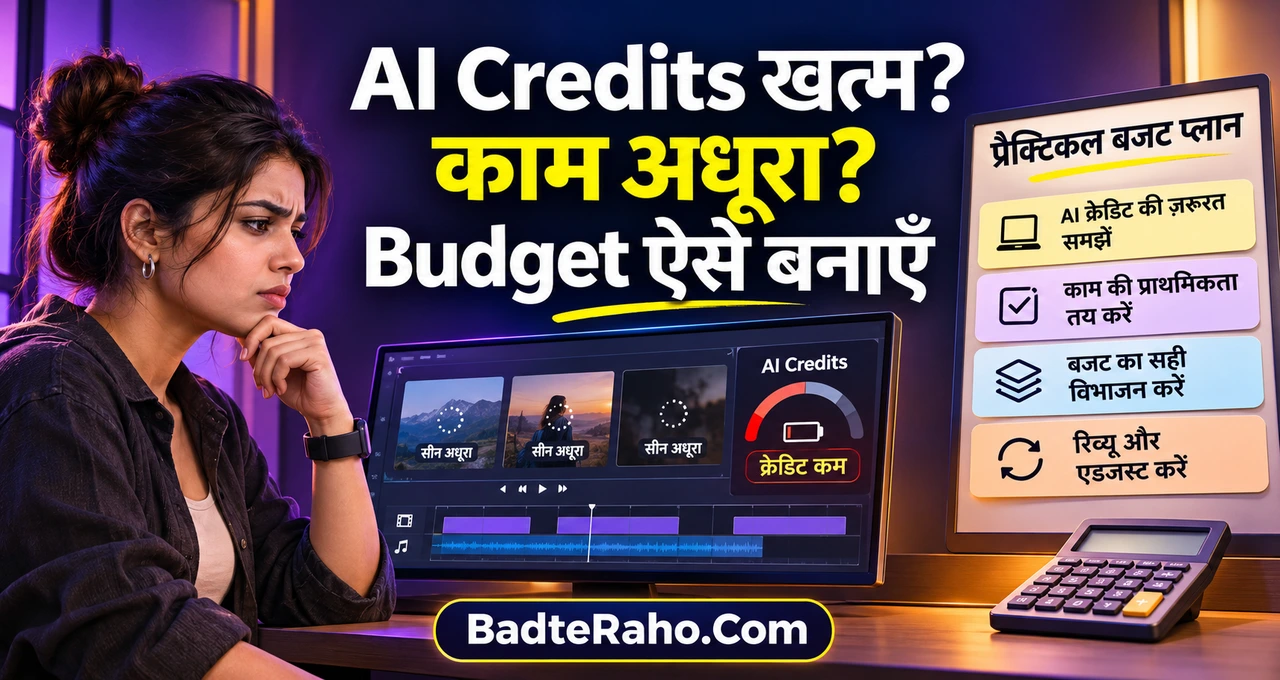
Historical figure भूलकर reverse calculation करें। पहले target daily orders और realistic selling price सोचें, फिर location rent, equipment, deposit, licences, initial inventory और 2–3 months working buffer के quotations लें।
Capital कम हो तो kiosk खरीदने से पहले pop-up, cloud-kitchen pickup या event stall जैसे smaller tests evaluate करें। Goal low cost नहीं, survivable cost structure है।
Food Kiosk के लिए Pre-Launch Checklist
- Hero product tested?
- Recipe cost written?
- Applicable licences checked?
- Location footfall observed?
- Rent + deposit affordable?
- Packaging tested?
- Supplier backup?
- Daily break-even estimate?
- Working capital buffer?
- Complaint/refund process?
इनमें से major items unknown हों तो opening date push करना failure नहीं, risk management है।
Founder Story और Business Reality अलग रखें
Success stories survivorship bias create कर सकती हैं—जो business सफल हुए उनकी कहानी दिखती है, जो बंद हुए उनकी कम। इसलिए प्रेरणा लें लेकिन market research, pilot orders और cash-flow plan independently करें।
Cash Flow को Profit से अलग समझें
Food kiosk paper पर profitable दिख सकता है, लेकिन rent, supplier payments और inventory timing cash-flow pressure बना सकते हैं। Daily sales आने के बावजूद महीने की fixed payments के लिए buffer चाहिए।
इसलिए launch budget में सिर्फ equipment नहीं, working capital भी include करें। पहले 8–12 weeks का simple cash-in/cash-out projection बनाना practical है।
One more check: Food kiosk launch से पहले supplier backup तय करें. अगर hero ingredient एक vendor पर depend करता है और वह unavailable हो जाए तो पूरा menu प्रभावित हो सकता है. कम-से-कम critical ingredients के लिए alternate supplier और expected lead time लिखित रखें.
Final practical check: Pilot के बाद अगर daily sales ठीक हों लेकिन cash बच नहीं रहा, तो menu price, wastage, delivery fees और fixed costs को अलग-अलग review करें. Revenue growth को profit growth समझना food business में common mistake है.
Small kiosk का decision test: शुरुआत में क्या calculate करें?
Rolls Mania की शुरुआती कहानी प्रेरक हो सकती है, लेकिन आज food kiosk चलाने की लागत अपने शहर और model से तय होगी। इसलिए किसी historical starting amount को present-day investment quote न मानें।
पहले location चुनकर footfall observe करें: कितने लोग target snack लेते हैं, lunch/evening peak क्या है और पास में competing sellers कौन हैं। Observation को demand की guarantee न समझें।
फिर menu छोटा रखें। तीन से पाँच items का pilot बनाने पर ingredient wastage, preparation time और customer feedback समझना आसान होगा। Hygiene और applicable food registrations शुरू से plan करें।
Illustrative calculation लें: अगर एक roll की sale ₹100 है और ingredients plus packaging ₹45 है, तो ₹55 contribution दिखता है। इसमें किराया, labour, electricity, platform commission, unsold material, licensing और अन्य fixed costs शामिल नहीं हैं। इसलिए ₹55 को final profit न कहें।
Actual pilot में daily sales के साथ rejected orders, peak-hour waiting, packaging issues और repeat orders note करें। मांग stable न हो तो बड़े equipment या extra staff का फैसला टालें।
बड़े food brands से सीख copy करने का नहीं, एक छोटा repeatable product experience बनाने का है। वही evidence अगले investment decision को मजबूत बनाएगा।
आख़िर में एक छोटी सी बात
Rolls Mania की ₹20,000 की शुरुआत inspiring है, लेकिन आज का entrepreneur उस number की copy करने के बजाय underlying method copy करे: छोटा test, focused product, customer feedback और disciplined operations। Current budget हमेशा local 2026 costs से बनाएं।
Rolls Mania की कहानी से आपका सबसे बड़ा lesson क्या है? Food kiosk का अपना छोटा testing idea comments में साझा करें।